The TBM 980 Captures a New Era

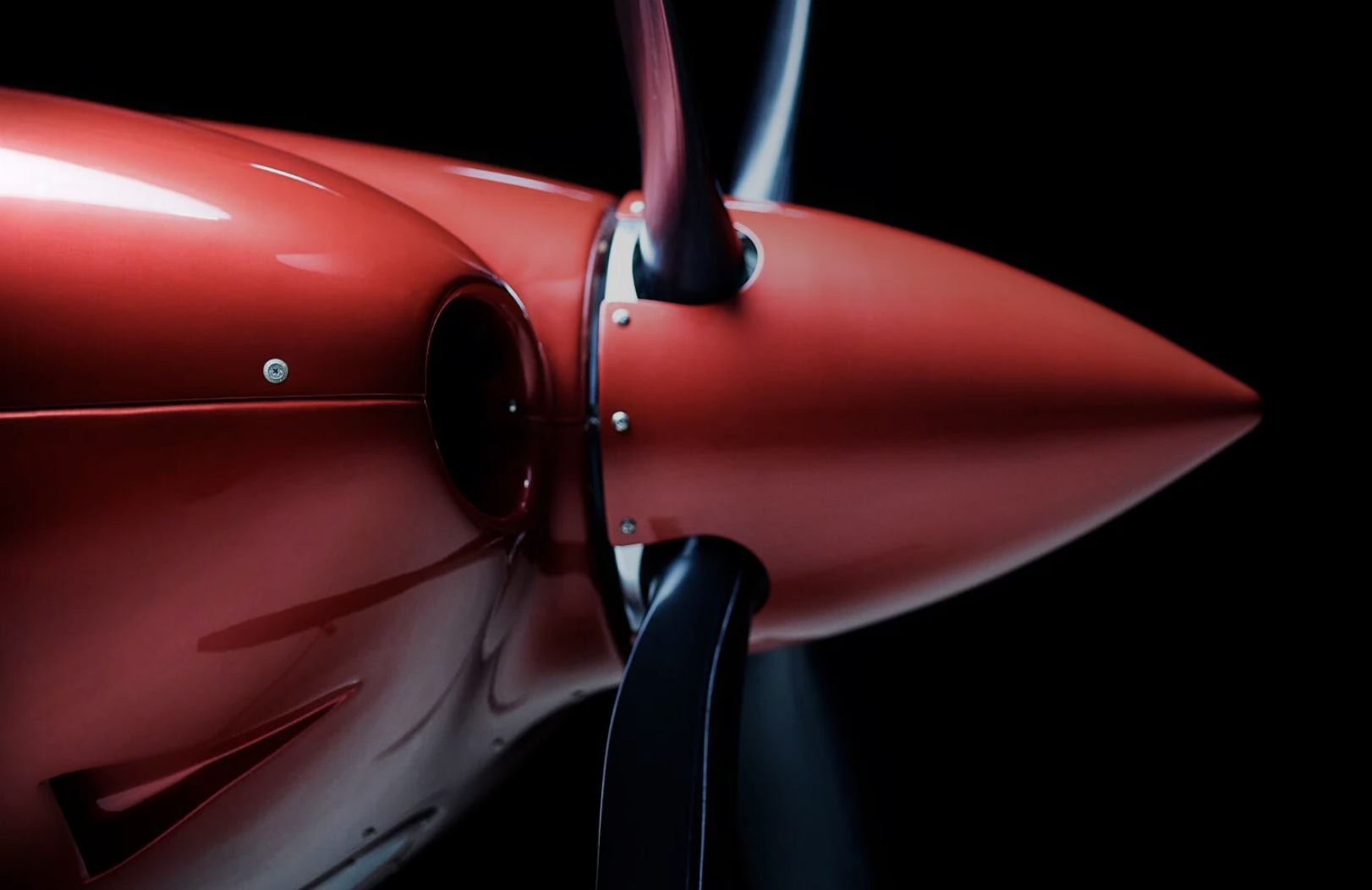
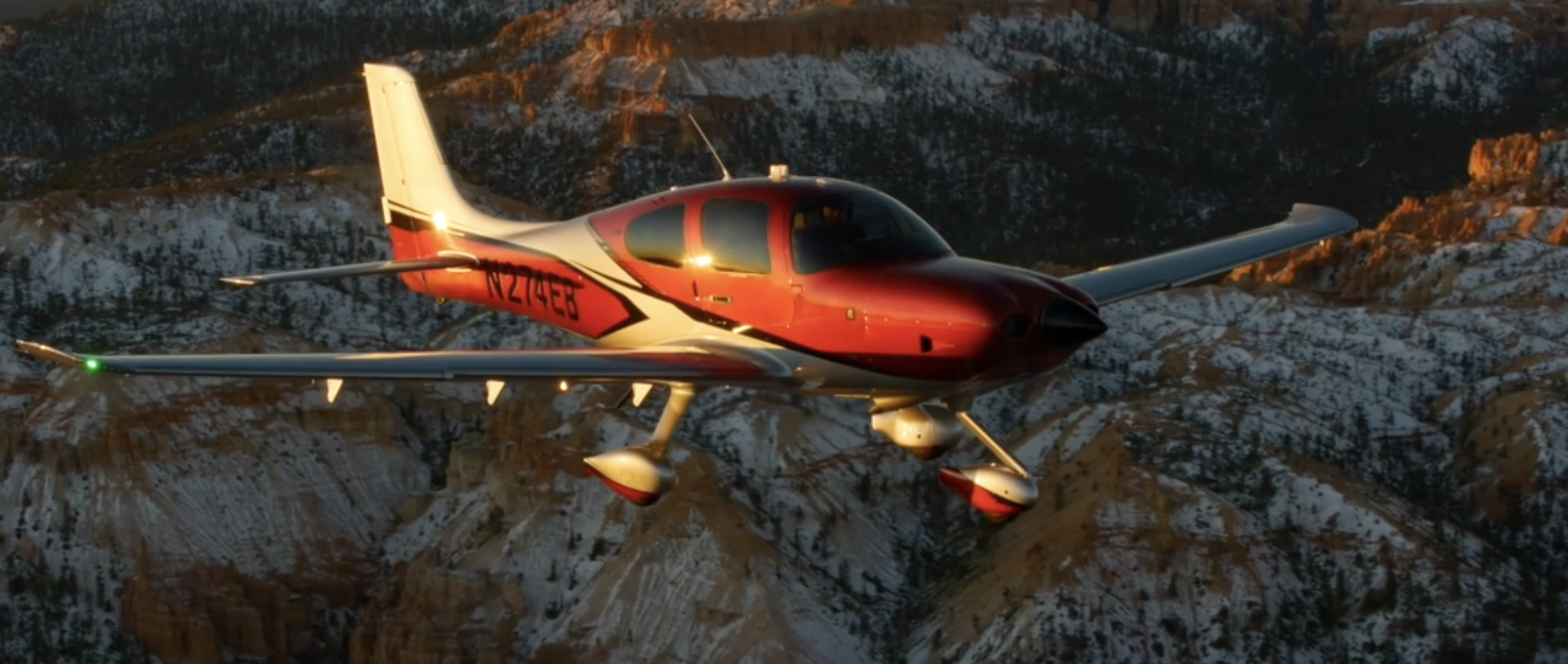
A Daher TBM 980 single-engine turboprop airplane in flight over the mountains in southern France, with a charcoal grey top and white base with flash orange accents.

With the snow capping the Pyrenées to the south, my last visit to Tarbes took place on a chilly day in November 2021. I was meeting up with Margrit Waltz, who readied a new TBM 940 for its ferry flight across the ocean.

At the time, I didn’t realize that the next TBM had already moved onto the production line, the serial number (SN) that would become the first TBM 960. That model debuted in April 2022, and I had a chance to fly it from Sun ‘n Fun Aerospace Expo down to Daher’s then HQ in south Florida, at KPMP, Pompano Beach.

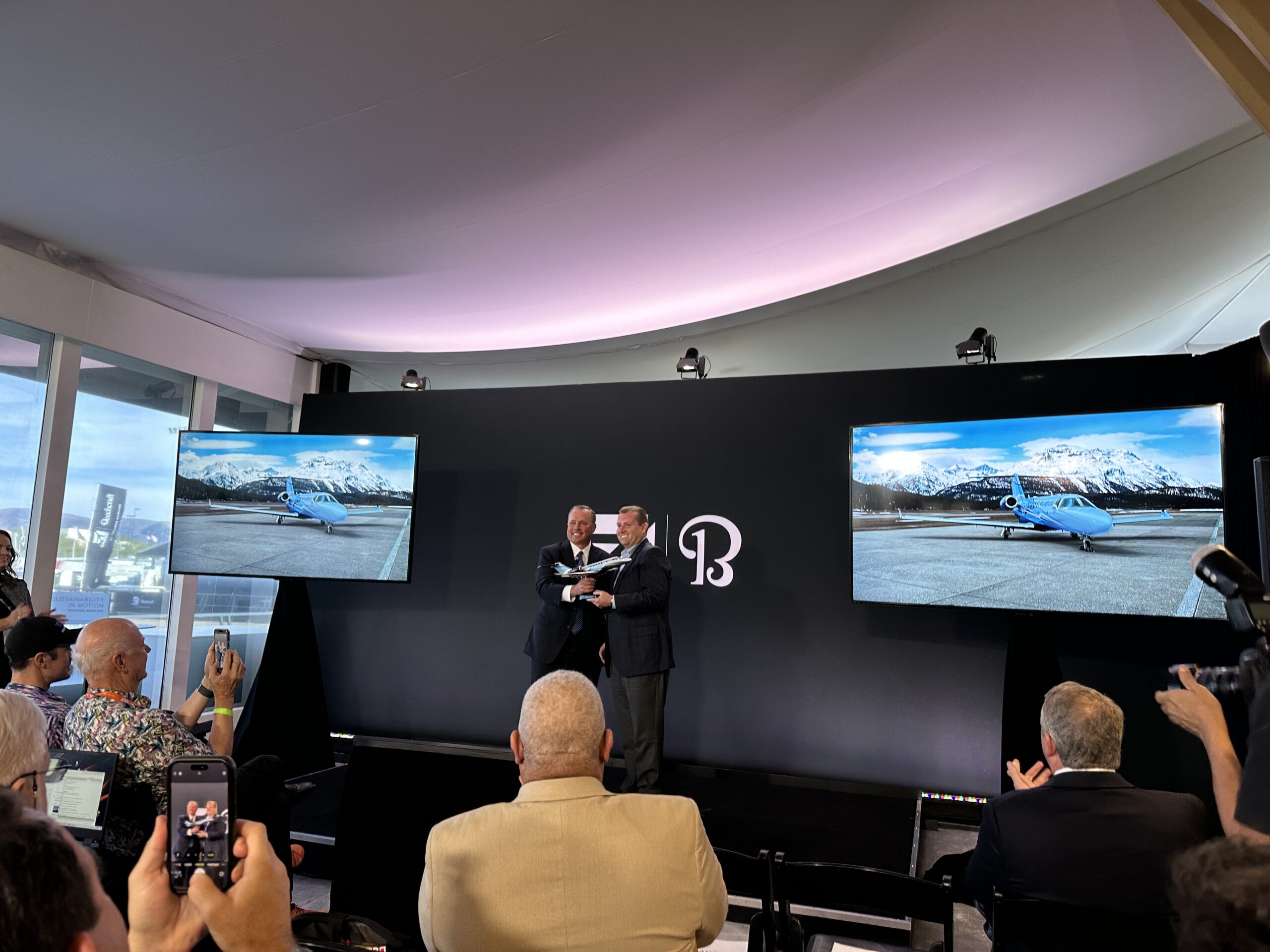
Now, nearly four years later, Daher debuts its latest, the TBM 980, and what looks like a similar aircraft has changed significantly under its gorgeous skin.

Similiarly, Daher may look like the same company if you just glance at the buildings collected on the ramp at LFBT, but so much has changed. The company has three locations now in Florida—at KSUA where the TBM will soon be built on a new line, and at KFLL where the new U.S. headquarters is located. And the Kodiak’s home base in Sandpoint, Idaho, now churns out Kodial 900s as well as the 100 Series III.

And…just in time to kickoff 2026, the TBM 980 takes the stage.

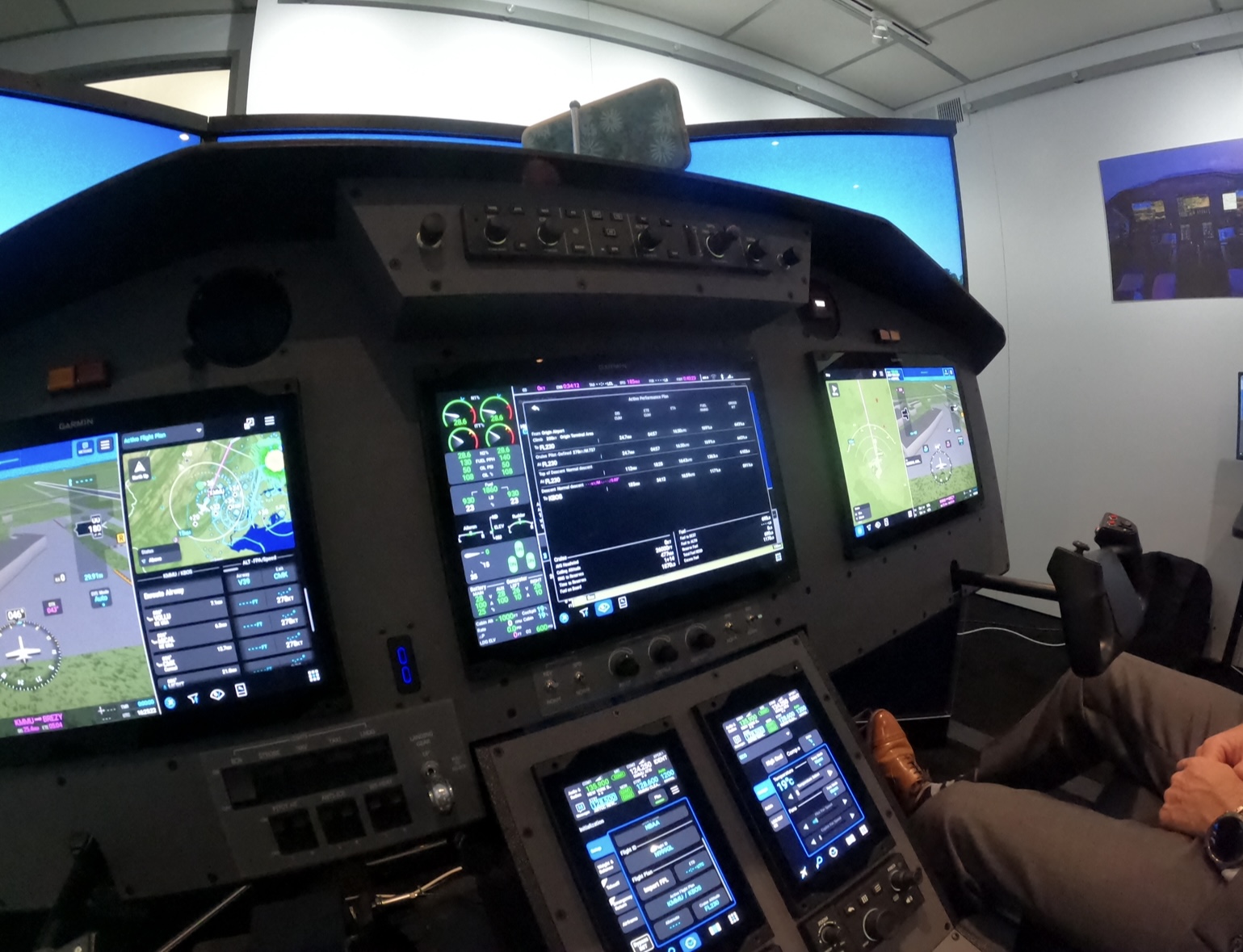
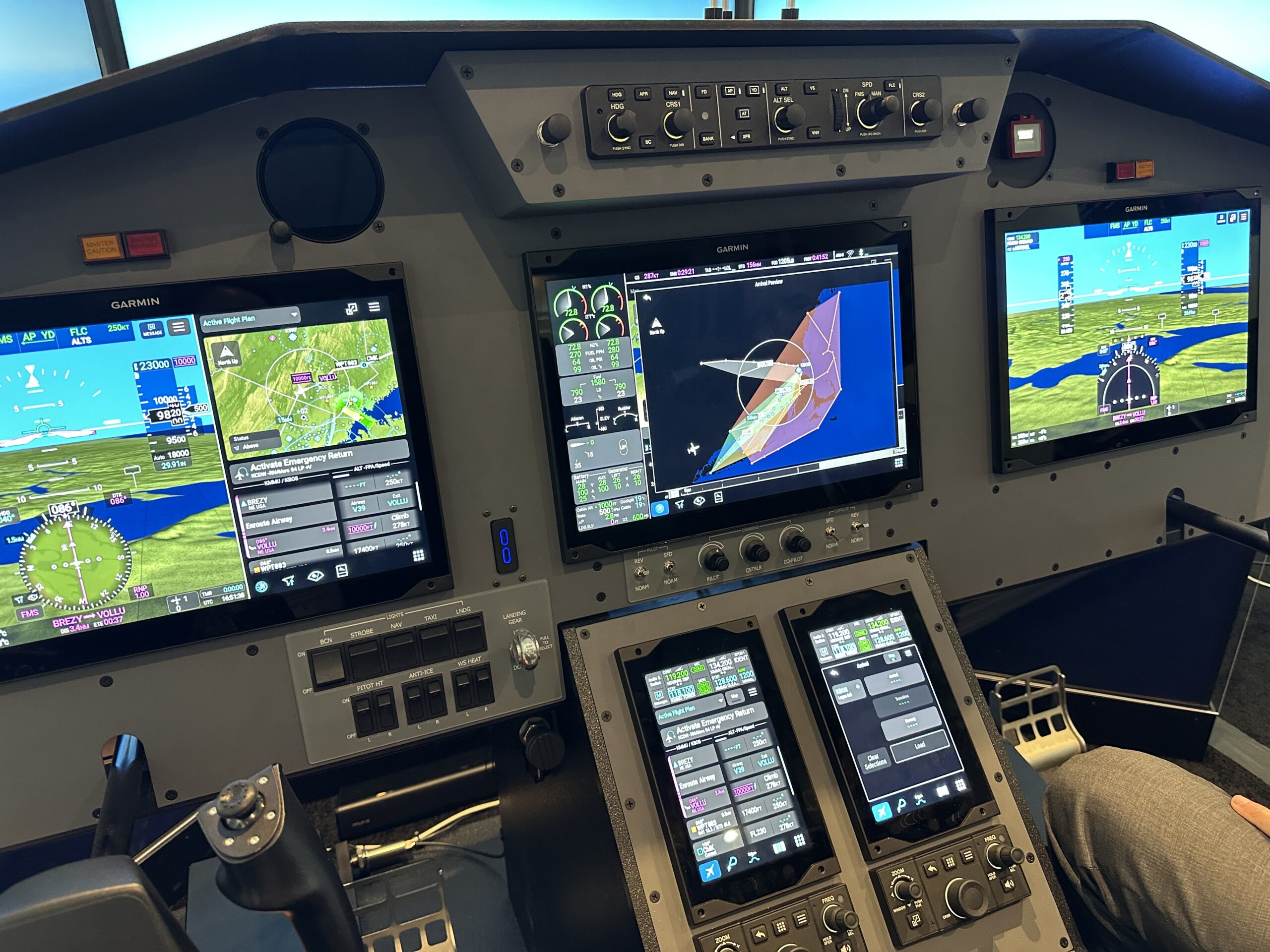
The sixth 900-series turboprop launched by Daher since it took possession of the aircraft model line in 2014, the TBM 980 integrates the Garmin G3000 PRIME that the avionics OEM debuted in late 2024 on the competing Pilatus PC-12 Pro. But this is more than a makeup game. The G3000 PRIME replaces the previous G3000 with three 14-inch touchscreens and app-based functionality to evolve the flight deck experience to match what most pilots carry in their pockets.

The first integrated flight deck into the TBM series took off when Garmin and then-SOCATA signed the contract to put the G1000 into the TBM 850 at NBAA 2005. It was the beginning of the end of “federated” avionics—the separate boxes that worked in concert that we used to know so well.

Twenty years and 1,000 TBMs later, the flight deck now integrates into the pilot’s life. “When you pick up an iPad, you don’t read a manual, you pick it up and use it intuitively,” said Nicolas Chabbert, Daher Aircraft CEO, at a livestream event on Thursday, January 15, in the evening from Daher’s main hangar in Tarbes. The PRIME drives closer to that mark than any flight deck thus far.

The presets are contextual, allowing for the phase of flight to drive them. And that’s just the beginning. There’s a joystick to aid in selection, rather than a button for scrolling, and the ability to check in on the airplane remotely via Garmin PlaneSync.

Guillaume Remigi, test pilot, said at the event that the biggest surprise he discovered during flight test was how much he appreciated the touchscreens. Rather than being a novelty, they became natural and intuitive, he found.

Another operational improvement sure to be well-received by pilots is the ability to operate without adding Prist to the fuel. The Prist-free option had to be validated in hot and humid weather conditions, so the test pilots related during the livestream how they flew to Agadir, Morocco, leaving the aircraft outside overnight, experiencing temperatures ranging from +40C to -50C in the desert, and up to 90 percent humidity on the coast.

An enhanced interior features a new passenger display through which the folks in the back can see flight data… Chabbert likened it to Concorde, though perhaps not into the Mach numbers!

The new TBM will be Starlink Mini-capable, and to preview this, Daher’s Michel Adam de Villiers and longtime TBM pilot and superfan Dr. Ian Fries called in during the event from in-flight over Florida. Fries is the first publicly announced customer to purchase the TBM 980, which will be SN 1634, ready in March—Number 6 for Dr. Fries. That said, SN 1627 and SN 1628 are already poised to depart for their first customers.

Frankly, I can’t wait to get my hands on the new yoke—and on the touchscreens—either.

Garmin’s Autoland Activation in the Wild

Canva filter in purple and neon orange with Autoland sequence display shown on a display in an instrument panel.

I’ve been thinking about the first activation of the revolutionary Garmin Autoland system “in real life” for more than a week.

I recall clearly sitting as a silent witness to the compelling initiation and execution of the Autoland sequence several years ago. A couple of times, in fact.

Both of these activations happened in demo mode and were not the full “in the wild” experience. The first took place before the system was certificated, at Garmin’s flight department headquarters at New Century AirCenter (KIXD) near Olathe, Kansas, in August 2019, in a Piper M600 modified for testing.

My second experience took place in the Beechcraft King Air 200 used as the test bed for the currently deployed aftermarket system on that airframe, away from Garmin’s home base, and with a Garmin flight demo pilot in the left seat, and me in the right seat. The tower had been advised of the demonstrations taking place, but we otherwise slotted into the regular stream of traffic at a busy airport. No total clearing of the airspace took place, because it was understood by ATC not to be an emergency.

You can see essentially the same demo I sat through here, on AvBrief.com.

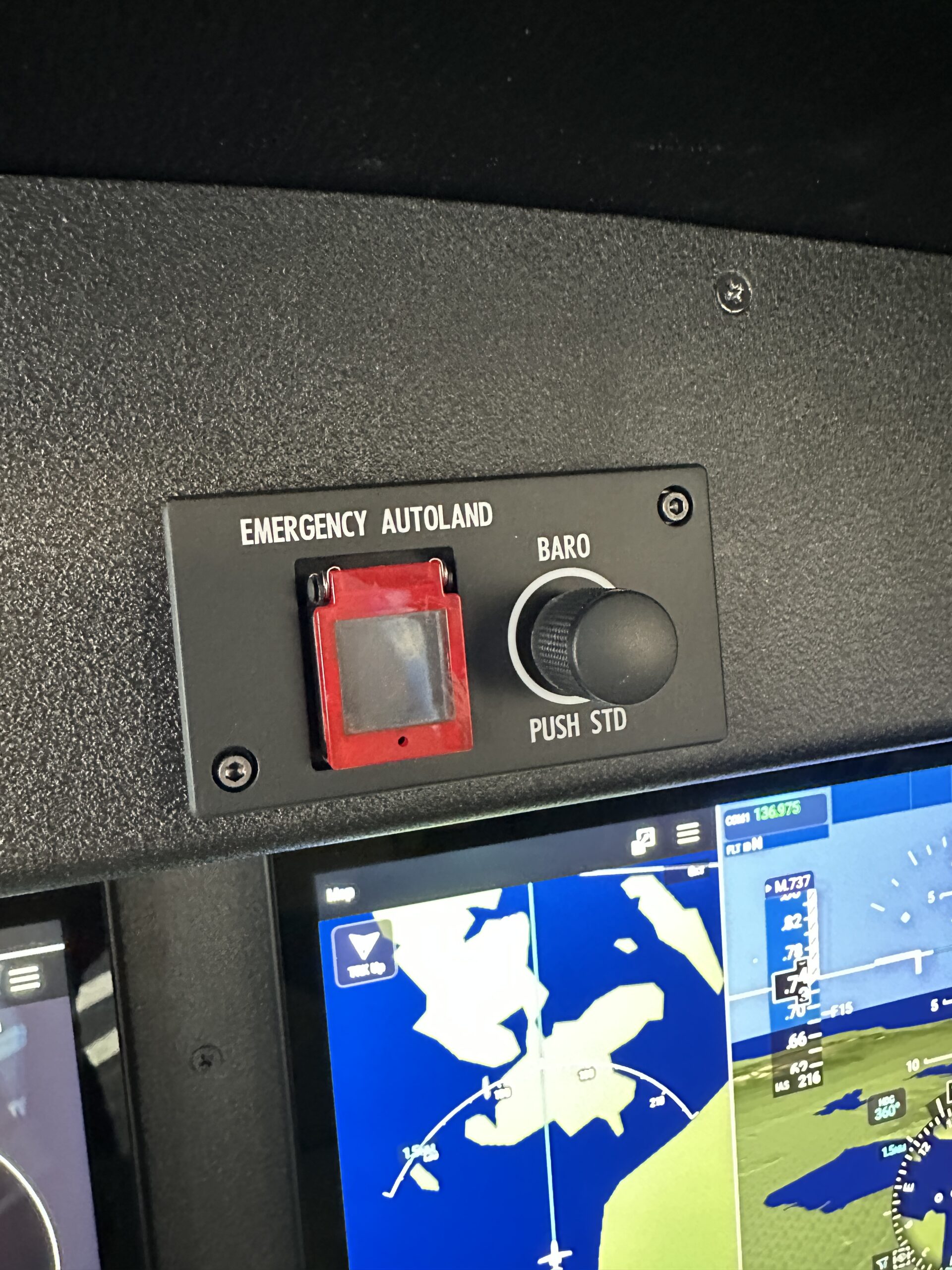
A lot has been said about the circumstances surrounding the event, which happened over the Rocky Mountains on December 20, 2025. That activation occurred not with a push of the guarded Autoland button, but when the pilots of N479BR [operated by Buffalo River Aircraft Services] experienced a pressurization emergency at 23,000 feet after taking off from Aspen (KASE). The Garmin integrated system sensed the loss of cabin pressure and activated the Emergency Descent Mode (EDM). The EDM protocol commands a descent to 14,000 feet. If no response is sensed from the pilots after 60 seconds of inactivity, the Autoland system engages thereafter.

The pilots of the ferry flight had no passengers on board, and elected to allow Autoland to progress to its conclusion, which ended in a safe, apparently textbook approach and landing at Rocky Mountain Metro Airport (KBJC) in Broomfield, Colorado.

My friend and colleague Max Trescott happened to be flying in a Cirrus SF50 Vision Jet in Colorado at the same time as N479BR activated Autoland, and he managed to record much of the comms on Guard, sharing this with listeners on the podcast NTSB NewsTalk he produces with another former colleague of mine, Rob Mark.

As it turns out, the King Air leveled at 18,000 feet instead—my assumption is that the aircraft stopped at 18,000 feet because of MEAs along the mountainous route, until you reach the relative flatlands of the Front Range near KBJC. The audio that Max replays on the podcast illuminates one interesting situation for pilots who remain conscious and compos mentis during the Autoland engagement: The crew reported they could only transmit on Guard; it’s true that a pilot (or passenger) can’t change the radio frequency once activated—you’d need to disengage Autoland in order to do so, and recommence flying.

Autoland can easily be deactivated by pressing the autopilot key on the a/p control panel, or the a/p disconnect switch on the pilot’s control yoke or stick. So, the question on many a commenter’s mind is why the pilots rode the system out to its conclusion rather than disengaging Autoland once they were descended below 14,000 feet msl. Some bemoan the giving over of command to the system too easily—and the potential for piloting skills to erode further as we let automated systems handle the hand-flying to a greater and greater extent.

While my experience in high altitude ops is limited, I can’t help but think back to a cross-country flight I took back in 1995 in a friend’s Cessna T303 Crusader—you don’t hear enough about these classy airplanes imho—where we elected to fly at FL250 on oxygen masks headed from Colorado to Chicago. As a climber and well acclimated by years of living at 10,000 feet, my friend in the left seat took off his mask and ate lunch while I stayed on the gas and the controls from the right. About 5 minutes later, he donned the mask again, and I took my turn.

I got about three bites into my granola bar when I found I couldn’t chew anymore. The hypoxic effects took only that long to sink in. So yes, a pressurization event at FL230 is no joke to me. After years of flying in Colorado, I know hypoxia is insidious, and that a pilot can feel giddy and overconfident as a result. That would lead me to choose to monitor a fully and correctly functioning Autoland system while I monitored my own condition and that of the airplane while on supplemental oxygen. That’s me.

Frankly, I’m more surprised the first irl activation took this long to occur. As a corollary, the Cirrus SR20 obtained certification on October 23, 1998, and the first Cirrus Airframe Parachute System (CAPS) “save” took place not quite 4 years later, in an SR20 on October 3, 2002. Autoland gained its first cert on the Piper M600/SLS Halo in May 2020—so we took 5.5 years for that fateful button push. And that’s for a system you can reset. Once a CAPS is deployed, the cat is out of the bag, literally.

I think about it this way: The Autoland sequence began at an altitude where pilot incapacitation remained a serious concern. With the system flying the airplane, the crew could focus 100 percent on their own health, and running checklists and other troubleshooting, maintaining greater situational awareness. In your everyday flying, if the autopilot is making a coupled approach well, do you click it off just to prove you could hand fly the airplane?

We have a conscious choice to keep our skills from eroding in the face of a capable “auto-whatever,” whether it’s CAPS or Autoland or just a really great autopilot. The advent of tools that leverage technology requires more from pilots than just accepting them carte blanche and allowing them to take over every time. And we need to practice our hand-flying skills regularly.

But during an abnormal or emergency situation, when you need to access all of the resources at your disposal, it surely makes sense to me to keep Autoland engaged as long as it’s performing as promised.

There’s always the little red button on the yoke.

The Real Story on Better Avionics Simulation

A Flight1 Tech AATD emulating a Cirrus SR series airplane with a wide screen, instrument panel and overhead CAPS assembly to replicate pulling the airframe parachute.

“When it comes to learning advanced integrated avionics, the airplane is perhaps the worst place to learn. But the right simulator is the better option for obvious reasons, and not all are created equal.”

What’s the scoop behind the claim? Calvin Fraites of Flight1 Aviation Technologies joined The Smart Aviator’s Larry Anglisano on AvBrief. com to explain just what this means and how both flight schools and private owners can incorporate robust simulation into their regular practice as well as pursuit of certificates—especially the instrument rating—in Cirrus SR Series and Piper PA28 aircraft equipped with the Garmin Perspective and G1000 NXi.

A screenshot of an AvBrief.com thumbnail with the YouTube icon over images of a flight sim instrument panel and a Cirrus G7 airplane.
Flight1 Tech’s Calvin Fraites joined Larry Anglisano of AvBrief.com on The Smart Aviator podcast on November 5, 2025. To visit the podcast, go to the AvBrief website.

We’ve been working with Flight1 Tech to promote its AATDs because I’ve seen how well they work within the flight training organizations with which I’ve collaborated over the years. I’ve known founder and president Jim Rhoads since my days at AOPA, when his company built the Cessna Cardinal model for Microsoft Flight Sim that accompanied the AOPA Sweepstakes Catch-a-Cardinal.

Since then, Flight1 Tech’s FAA-approved AATDs have evolved to emulate faithfully the Cirrus SR series, complete with Garmin’s Perspective+ and CAPS (Cirrus Airframe Parachute System) deployment, and the nuances of the PA-28 based on Jim’s longtime ownership and piloting of his own Piper Cherokee. Now, the modern version replicates an Archer with Garmin’s G1000 NXi avionics suite.

For training that sticks, you need an honest rendering of the instrument panel and associated hardware, and Flight1 Tech does it in a way that keeps it low cost and approachable for a wide range of flight schools as well as private owners.

Take a look, and if you want to see more, visit their web site.

Oshkosh 2025 Day One: Connected

Integrating the pilot, the plane, and their phone in a singular ecosystem.

Garmin’s Smart Charts.

Cirrus IQ…Plus.

ForeFlight Dynamic Procedures.

Daher Me & My Kodiak.

There’s a common thread here. Each one helps add context and fluency to our daily flight ops, whether we fly for ourselves, professionally, or in pursuit of opportunity.

Making sense of all the data we carry in our pocket or purse (or just being able to find it when we need it, at the moment we need it)….this has been the holy grail, elusive to grasp even as we power up the devices we have access to.

Any aircraft owner or pilot flying a high performance airplane in the IFR system knows the intersection of documentation both operational and procedural. Tying all of it together has felt like pushing a boulder up a mountain—from planning the flight and ensuring the aircraft is ready (and legal) to executing a flight plan through the clouds, to recording it faithfully at the end (and getting credit for those approaches logged) and making appointments for the next inspections.

With the sequential release of Garmin’s Smart Charts and ForeFlight’s Dynamic Procedures, depending on which app you use in your planning and as a backup on the flight deck, you can now use the power of the database (Garmin proprietary for Smart Charts or Jeppesen for ForeFlight) to carve out the plan you expect, and then be able to change it on the fly—and only present the data (from NOTAMs to fixes and altitudes) relevant to the approach you plan to fly. Or the one ATC switches you over to (or you choose based on changing conditions).

You can then follow along as your blue ownship toodles through the course on your smart phone or tablet. Briefly. While flying the airplane IRL.

On the aircraft side, two recent updates to the airplane management app world continue to drive critical information into your device, and connect you remotely to your airplane, should you be lucky enough to own one of the new ones. The enabling technology underneath both the Cirrus IQ app and the Daher Me & My TBM (now in a Kodiak version) is Garmin’s GDL 60 datalink unit installed in the airplane.

It needs a connection in order to “go live” so, as it was mentioned in Daher’s press conference today, you need to make sure you park your TBM 960 or Kodiak 900 in a pot with LTE 4G service. Hopefully your hangar has this capability, to start with.

If so, you can wake up the airplane remotely, and find out the fuel, TKS, oxygen, and database status on your phone…before you call the FBO to truck you over some avgas or Jet-A. Pretty amazing stuff.

Plus, you can stay connected with your friends in the type association, comparing notes on landing prowess and efficiency. If you want. Or you can just assess your own performance and take note accordingly the next time you meet up with an instructor. Other OEMs have similar programs in development, but it’s cool to see Cirrus and Daher leading the pack here in creating the ecosystem that can serve you up the data you need. When you need it.

Stay tuned for more connectivity news as EAA AirVenture 2025 continues….now with charging stations everywhere, appropriately.

Safety in Reach: Cirrus G7+ Adds Autoland

Well, now we know which manufacturer will bring Garmin’s Autoland to piston airplanes.

The spark that propels innovation brought Cirrus Aircraft to life—and the company has become a catalyst to change the way people engage with the world around them and explore it on their own terms through the 25 years of its SR Series aircraft.

With a relentless desire to elevate quality and comfort within a total safety envelope, Cirrus leveraged its deep bench of precision engineering and legacy of craftmanship to create the highest expression yet of the game-changing Cirrus SR Series, the G7+, which it debuted on May 6.

For Cirrus, the generational progress encapsulated in the G7+ takes safety, style, ergonomics, connectivity, and convenience to the next level, into an airplane that is truly transporting—with updates to answer some of our biggest desires as pilots:

To make the most of our time and opportunities. 

To offer a way to bring our families and loved ones together, in magical places.

To get where we’re going wrapped in an environment that rivals the finest luxury autos.

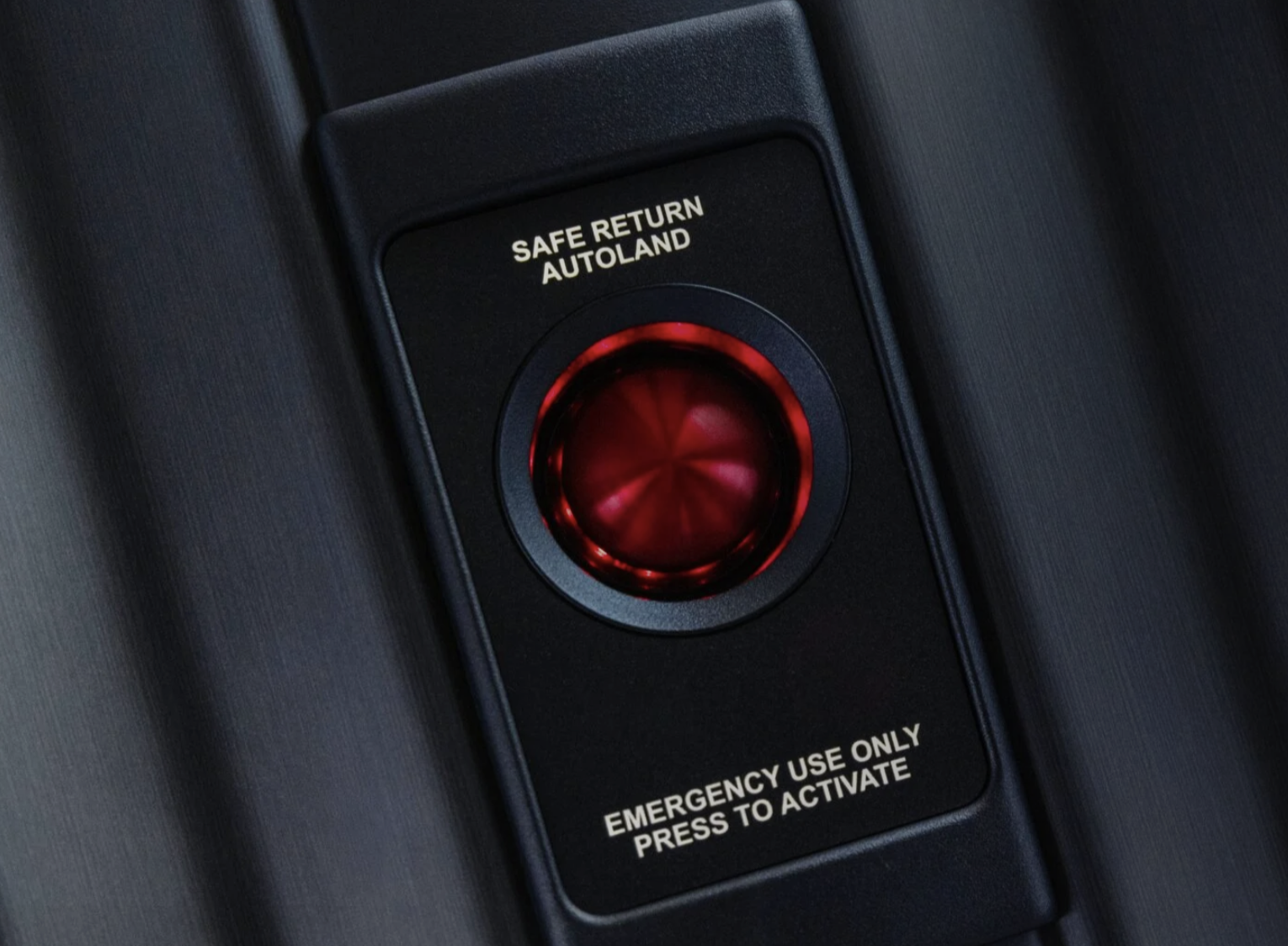
The G7+ adds to the full palette of pilot tools that Cirrus pilots have enjoyed, including the Cirrus IQ PRO app and Collier award winning Cirrus Airframe Parachute System (CAPS), with the introduction of Safe Return, an emergency automatic landing system that solves one of the most pressing concerns in personal aviation: What happens if something happens to the pilot?

Now there is an answer to that. Garmin has seen more than 1,000 aircraft delivered hosting versions of its Autoland system—but they’ve all been turbine- or turboprop-engined aircraft with an autothrottle already introduced.

So how would a piston OEM incorporate the system without that AT in place? The SR Series has had a combined prop/throttle lever and separate mixture, so how to solve that piece of the puzzle?

Turns out, it’s a digital mixture and throttle control system that kicks in when the Safe Return button is depressed and the protocols go into effect. I’d asked Ivy McIver, executive director for the SR Series, about the features added to the G7 that were, shall we say, opportune? when we flew the first version of the series in stealth mode back in December 2023. She couldn’t say it then, bien sûr, but the automated tank selection, flap overspeed functions, and enhanced envelope protection were all keys to the puzzle that would enable the Safe Return system.

I guess they figured out the automatic braking too.

In any event, it has been a pleasure all of these years to watch Cirrus wrap us bit by bit into that total safety envelope—and as a pilot, you get to choose which features you use during any given flight.

But now your passengers get a choice too, in case you’re “unable.”

A Preview of the Garmin G3000 Prime

My third day at NBAA BACE this year kicked off with a visit to our friends at Garmin, who have been basking in the post-release afterglow following the launch of the G3000 Prime flight deck. The avionics giant had an AATD-style sim set up in a conference room at their exhibit in the main hall, and they were gracious enough to give me a thorough demo on their latest product, which combines functionality and style from the G1000 Nxi, G3000, and G3X Touch set-ups.

The launch platform for the G3000 Prime is the Cessna Citation CJ4 Gen3 announced on Monday, but the sim had been set up to be a fairly generic jet—though it bears more than passing resemblance to a 525 series.

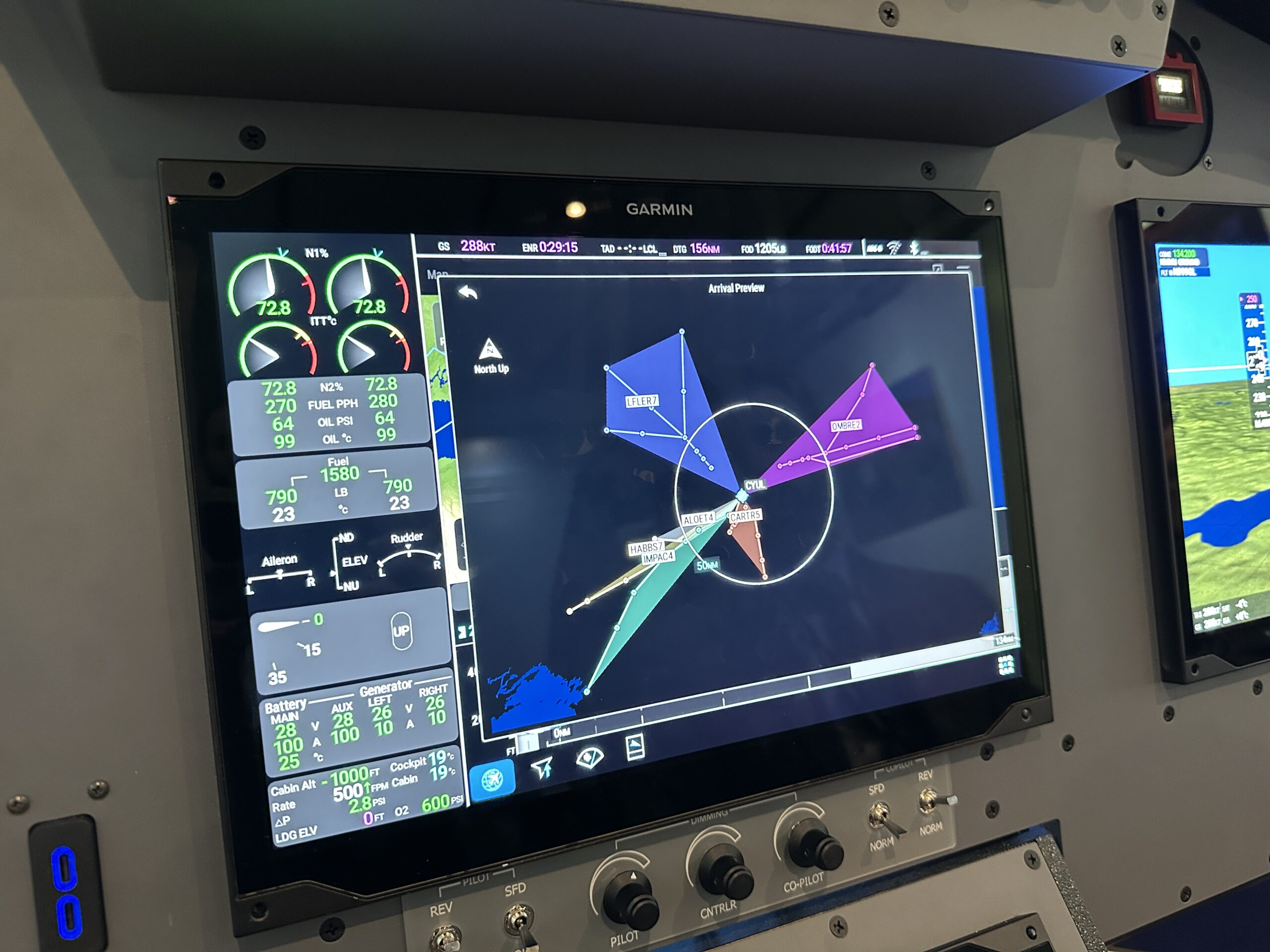
New features on the G3000 Prime include the ability to “test out” new routings, diversions, or destinations without loading them into an active flight plan, as well as visualization of arrival sectors. [Credit: Julie Boatman]

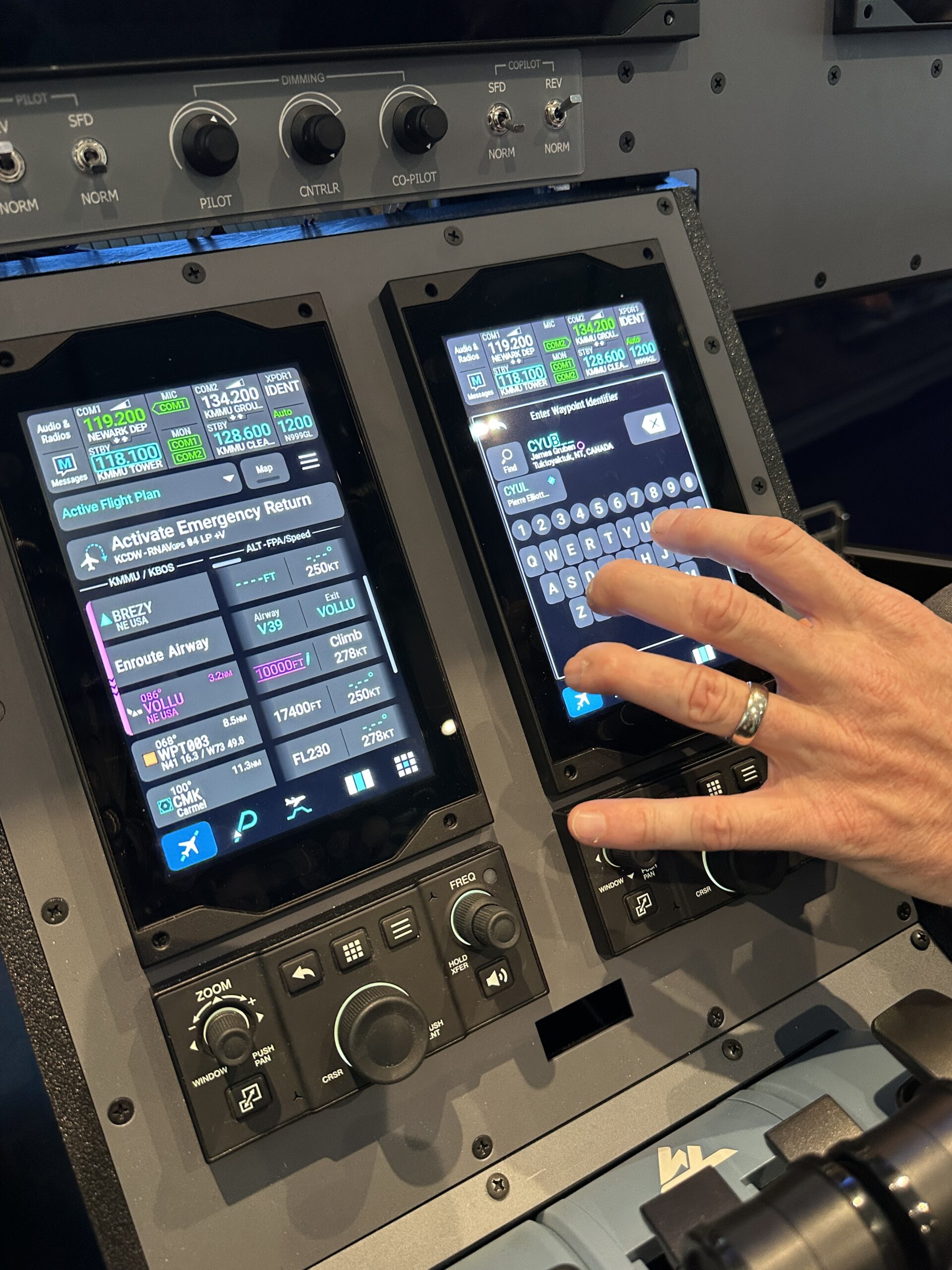
In this initial application, the flight deck consists of a three-screen set of large 14-inch primary flight displays (PDUs), and two smaller (7-inch) portrait-oriented secondary displays (or SDUs). But rather than having data entry only available on the SDUs (they are positioned similarly to the touchscreen controllers in the G3000), the pilot can enter data there or directly on the PDU. Fields available for data entry are highlighted, and the pilot can swipe down menus from the top bar to edit those fields directly—I almost applauded when I saw that, thinking back on how frustrating it can be when you get in an airplane and those aren’t to your liking.

The new displays all feature improved touchscreen technology that allows the pilot to brace on the screen itself for input without activating unwanted fields. [Credit: Julie Boatman]

The “touch” itself has improved too, with fingerprint resistant displays and a unique multi-touch tech allowing you to brace your hand directly on the screen for stability while you enter or select the field you want to change or activate. Certain menu buttons (like the Flight Plan) remain available along the bottom of the main displays regardless of what is active on the screen, and the SDUs double as standby electronic flight instruments, with their ability to display PFD and map data in the event of a main screen failure.

A close-up of the Arrival Preview feature in a pop-up window overlaying the main flight plan map, which gives the pilot the ability to use the larger display’s screen real estate without clicking away from the primary map. [Credit: Julie Boatman]

One very cool feature: The pilot can try out a new routing or alternate on the SDU, and generate a visual depiction of it without loading it as an active flight plan. While it has clear safety and situational awareness implications, I also see it as a way to stave off boredom on long legs—you can check out new places to your heart’s delight.

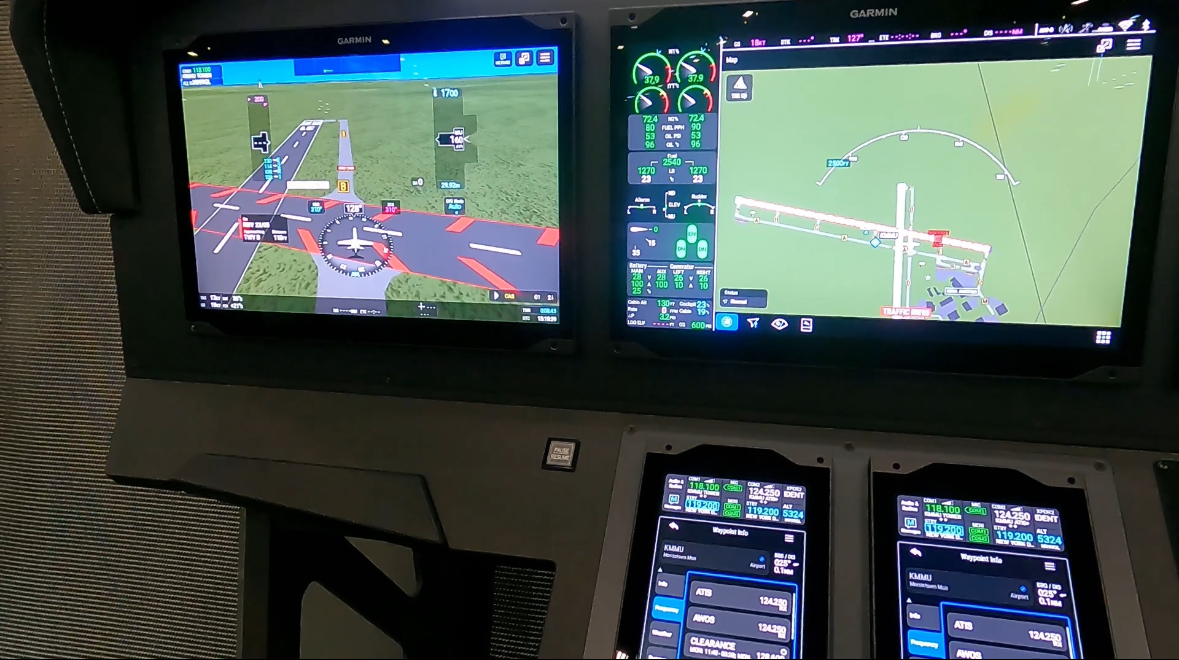
Safety updates abound in the system, beyond emergency Autoland—which has itself seen an upgrade to take NOTAMs into account. One timely feature added is the Runway Occupancy Awareness technology, which analyzes GPS and ADS-B data to determine if the runway ahead has another airplane, or if one is about to land on top of you. I honestly had the heebie-jeebies watching the simulation of it—these are those moments that strike fear in the hearts of pilots.

The Runway Occupancy Awareness feature highlights an active runway in red if the airplane crosses the hold-short line while another airplane occupies it. [Credit: Julie Boatman]

Smart checklists also link to CAS messages, streamlining access to abnormal and emergency procedures with contextual flows. Smart Glide and Smart Rudder Bias come too, along with the Emergency Stability Protection that rounds out Garmin’s Autonomi suite. The Emergency Return function allows you to select a departure alternate close by and set up the runway and landing information ahead of time, so that in the event of a problem that precludes returning to the runway you just left, you already have that locked and loaded.

While it’s still under development in its first application, the G3000 Prime feels fully baked, and I look forward to flying with the system once it’s past certification.

Media Day at NBAA BACE 2024

In times of uncertainty, what do people tend to do? Nothing.

Or perhaps more appropriately, they wait and see. They make incremental changes at most, staying a conservative course until some trigger releases them from this holding pattern.

Though the week will tell if this bears out, that sense of anticipation pervaded on the Monday before opening day of the National Business Aviation Association’s Business Aviation Convention and Exhibition 2024.

“‘I’d say uncertainty is the word right now,” said Rollie Vincent, founder of JetNet, in its annual state of the market briefing on October 21. “Whether it’s geopolitical, whether it’s political, election oriented, whether it’s ‘are we still going to like each other after a certain date on the calendar’…all these sorts of silly things, which aren’t so silly, because they create policy impacts that can drive our industry down, sideways, or in directions we don’t know.”

Textron Aviation Puts Garmin G3000 Prime in CJ4 Gen3

Under the umbrella of that uncertainty, we still have innovation quietly laboring along, with tried-and-true platforms gaining from those evolutionary efforts. The news from Media Day—when the reporting pool and other associates move from press conference to luncheon to reception in hopes of gleaning stories from that access—bore out that observation.

  • Textron Aviation announced the latest upgrades to its 2,600-unit fleet of Citation CJs (the 525 series), with the CJ4 Gen3 as launch platform for Garmin’s G3000 Prime all-touch flight deck, complete with emergency Autoland.
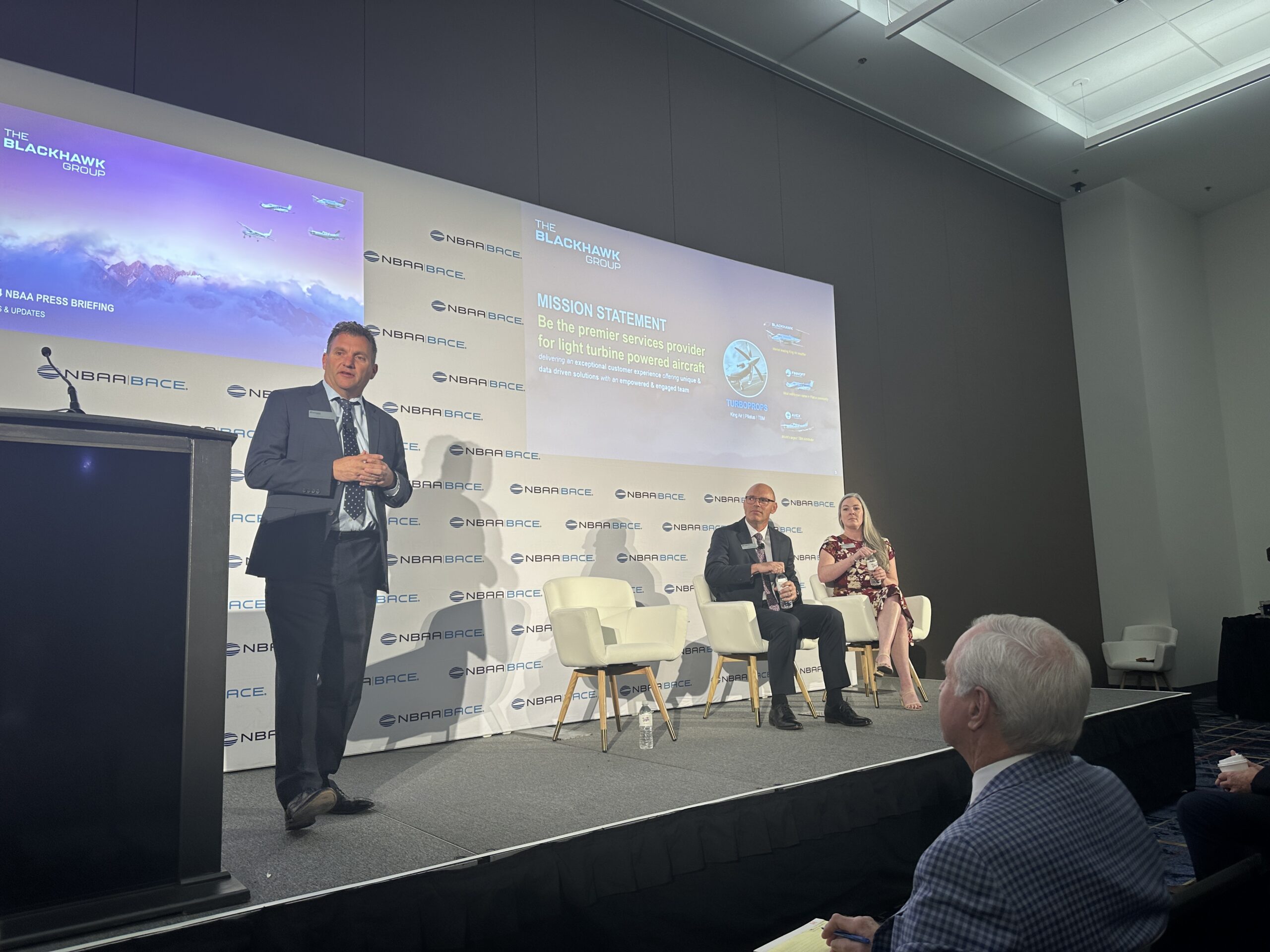
  • Blackhawk Aerospace Group walked through its turboprop-forward portfolio, including enticing ways to improve the very proven King Air 350, Pilatus PC-12, and TBM 700 series, each with a higher-horsepower flavor of the also-proven Pratt & Whitney PT6A.
  • Bombardier celebrated its NAA speed-record-setting Global 7500, and the progress on the evolution to the “faster, further, smoother” Global 8000, which has topped Mach 1 in flight test. When certified, the 8000 upgrades can be applied to 7500s in the field—keeping that order book solid for sure.
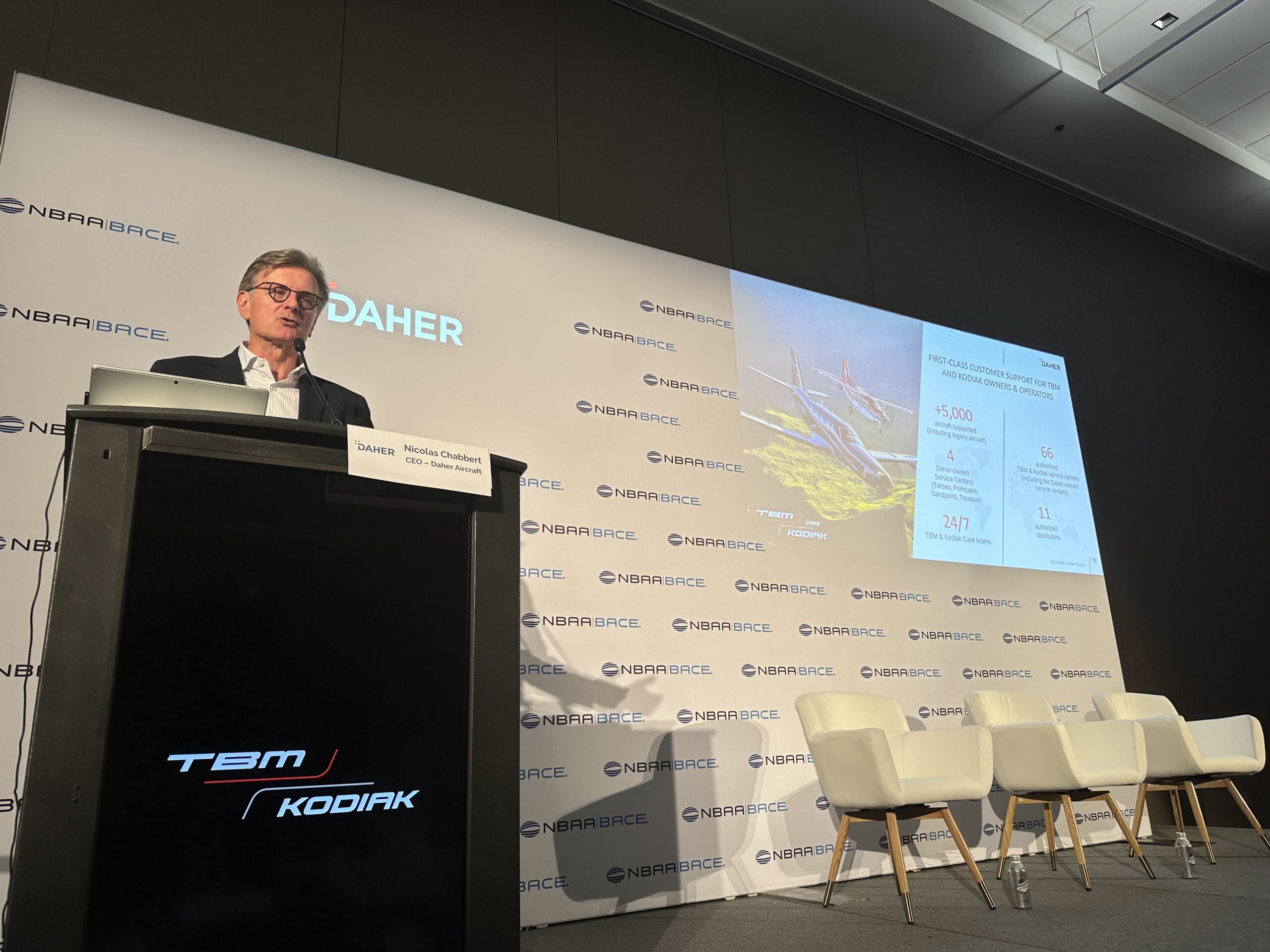
  • Daher noted the EASA approval of the 5-blade Hartzell prop on the Kodiak 100, as well as its implementation on float-equipped aircraft. The lower rpm (2,000) of the new prop reduces the noise footprint enough (~6.6dBa) to meet European flyover standards.
In the Newsmakers luncheon, NBAA president and CEO Ed Bolen brings together partners from across the aisle, Sam Graves and Rick Larsen to celebrate the passage of the FAA Reauthorization Bill. [Credit: Julie Boatman]

FAA Reauthorization Celebrated Too

At the Newsmakers Lunch, NBAA president and CEO Ed Bolen hosted congressmen Sam Graves (R-Mo.) and Rick Larsen (D-Wash.), partners on the Transportation and Infrastructure Subcommittee as chair and ranking member, in a recap of the FAA Authorization Bill and all of the wins tucked inside of it. There should be no uncertainty here… the bill passed with very little opposition. “I feel strong that we have the basis, regardless of which administration is the place, to say we’re very clear about what we want to get done,” said Larsen. “And so, it’s a matter of implementation. It’s not a matter of ‘do you want to do it or not do it?’ You do it—we made that clear.”

And while we’re waiting for the door to crack open on bigger news this week at the show, at least we have that message in place regardless of the election’s outcome next month. And maybe there is more to each of these nuggets of progress to discover—we’ll be diving into each one more deeply in the coming weeks.

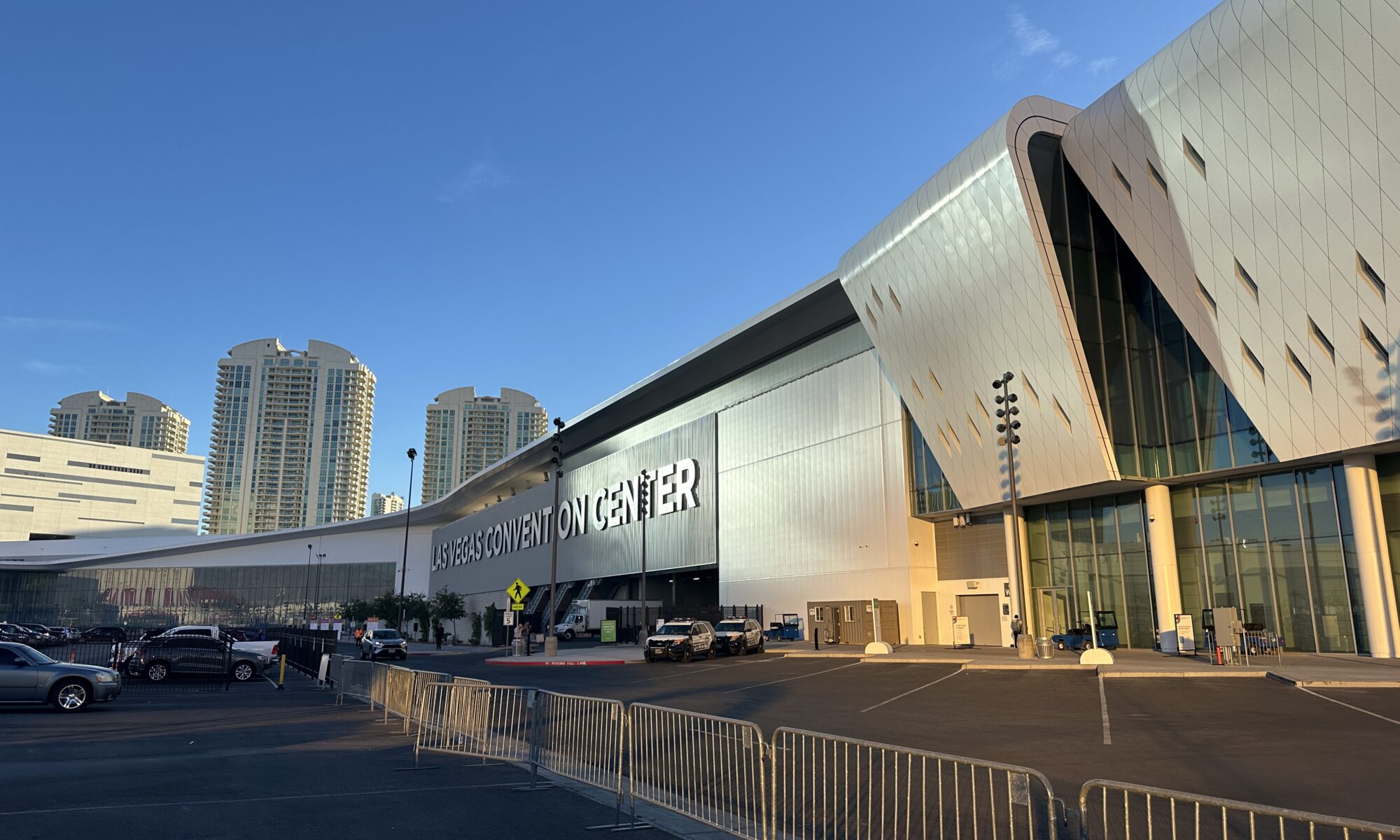
A quiet space can be found in Vegas. [Credit: Julie Boatman]