After 17 years of personal frustration with the hits and misses of the light sport aircraft category and sport pilot certificate, relief lies in plain sight. In fact, in about 3 months, I’ll have the ability to fly both airplanes I frequent—a Lockwood AirCam and a Cessna 182 under the FAA’s revised sport pilot privileges—announced with the confirmation of the MOSAIC final rule on Tuesday at EAA AirVenture in Oshkosh, Wisconsin.
That means (since I currently hold a higher level of pilot certificate) I can fly those aircraft with a valid driver’s license, rather than a medical certificate. This is a game changer for a lot of folks—and not just the senior cadre of flying friends I’ve accumulated over the years.
Table 9 Summary of Changes to Sport Pilot Privileges released by the FAA this week with the confirmation of the MOSAIC final rule. [Courtesy of the FAA/EAA]
Aircraft certification rules also open up with the launch of MOSAIC, including removing the weight limit imposed by the original LSA classification (1,320 pounds for land-based airplanes), no limit on number or horsepower of engines, and the expansion to four seats (though the pilot flying under sport privileges must stick to just one passenger). The upper limit for the stall speed for airplanes also expands, to a VS1 of 59 knots CAS, opening up not only the Skylane but a host of other single- and light twin-engine airplanes I have in my logbook.
I’ll write more on these memories at a later date, but the removal of the weight limit would have allowed Cessna much more flexibility in the design of the Skycatcher, and I argue would have made it an even better airplane, performing far better in the marketplace.
A host of already CS 23 certified airplanes (under EASA) are poised for deployment into the U.S. market too as a result, including the Elixir two-seat training airplane that also announced Part 23 certification this week (understanding that with that milestone passed, it can be flown by private pilots ahead of MOSAIC implementation).
The playing field just opened up significantly, with the cost to entry lowered substantially at the same time.
I cannot overstate how critical these changes will be in assuring the health and accessibility of general aviation as we integrate new technologies and ways of flying into the mix. I’ll see you in these new, blue skies!
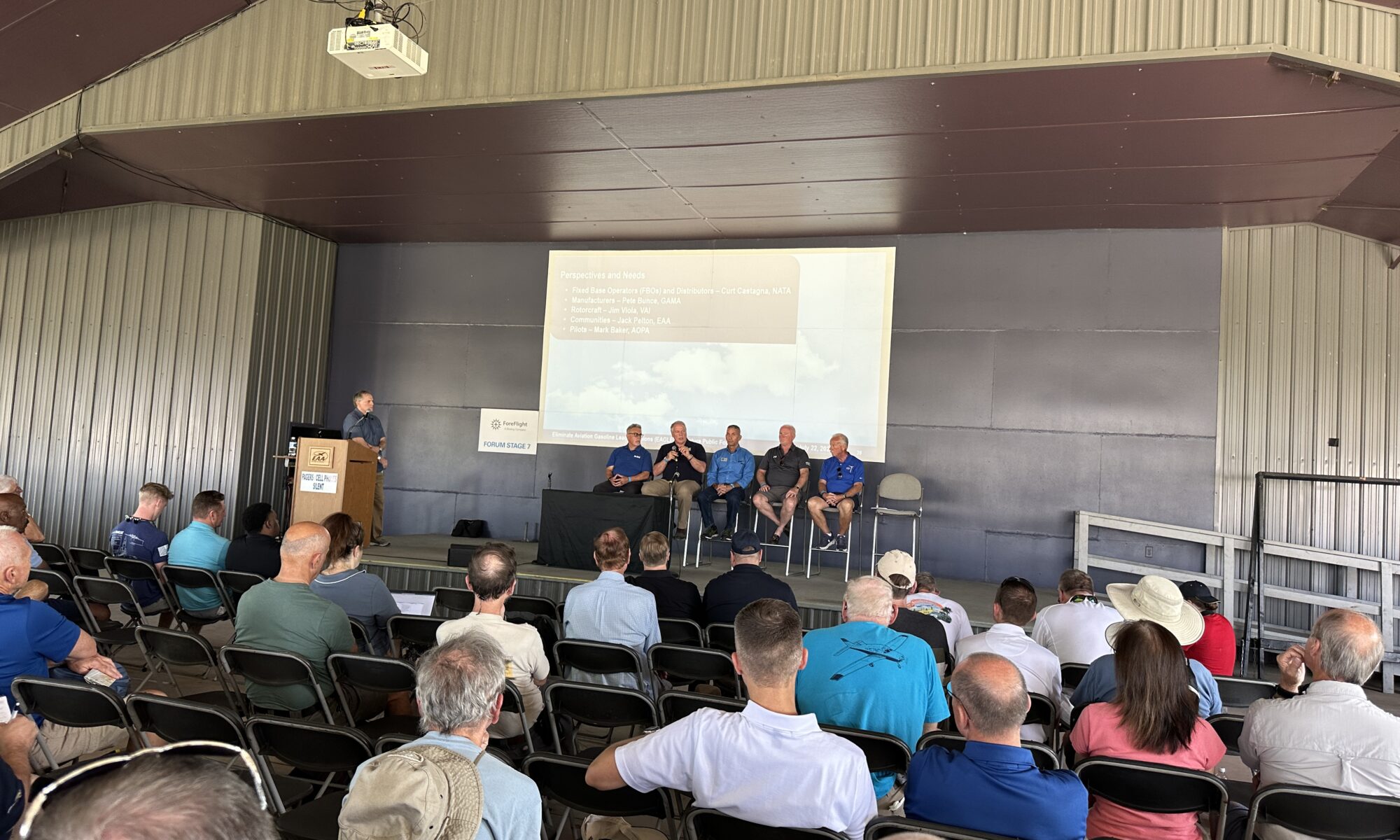
While a record number of folks flew in to Oshkosh, the forum wasn’t quite full for the EAGLE (Eliminate Aviation Gas Lead Emissions) briefing at 10 am on Monday, July 22. But a couple hundred interested parties (pilots) did show up—and they were in for quite a review, punctuated by events unfolding throughout the week at EAA AirVenture. To review, EAGLE’s goal is to eliminate the use of leaded fuels in piston-powered aircraft in the U.S. by the end of 2030.
In the briefing, the FAA and industry consortium put representatives up on the forum stage, including co-chairs Curt Castagna, of the National Air Transportation Association (NATA), and Wes Mooty, acting administrator on certification for the FAA. Walter Desrosier, GAMA’s technical lead on fuels, presented as well.
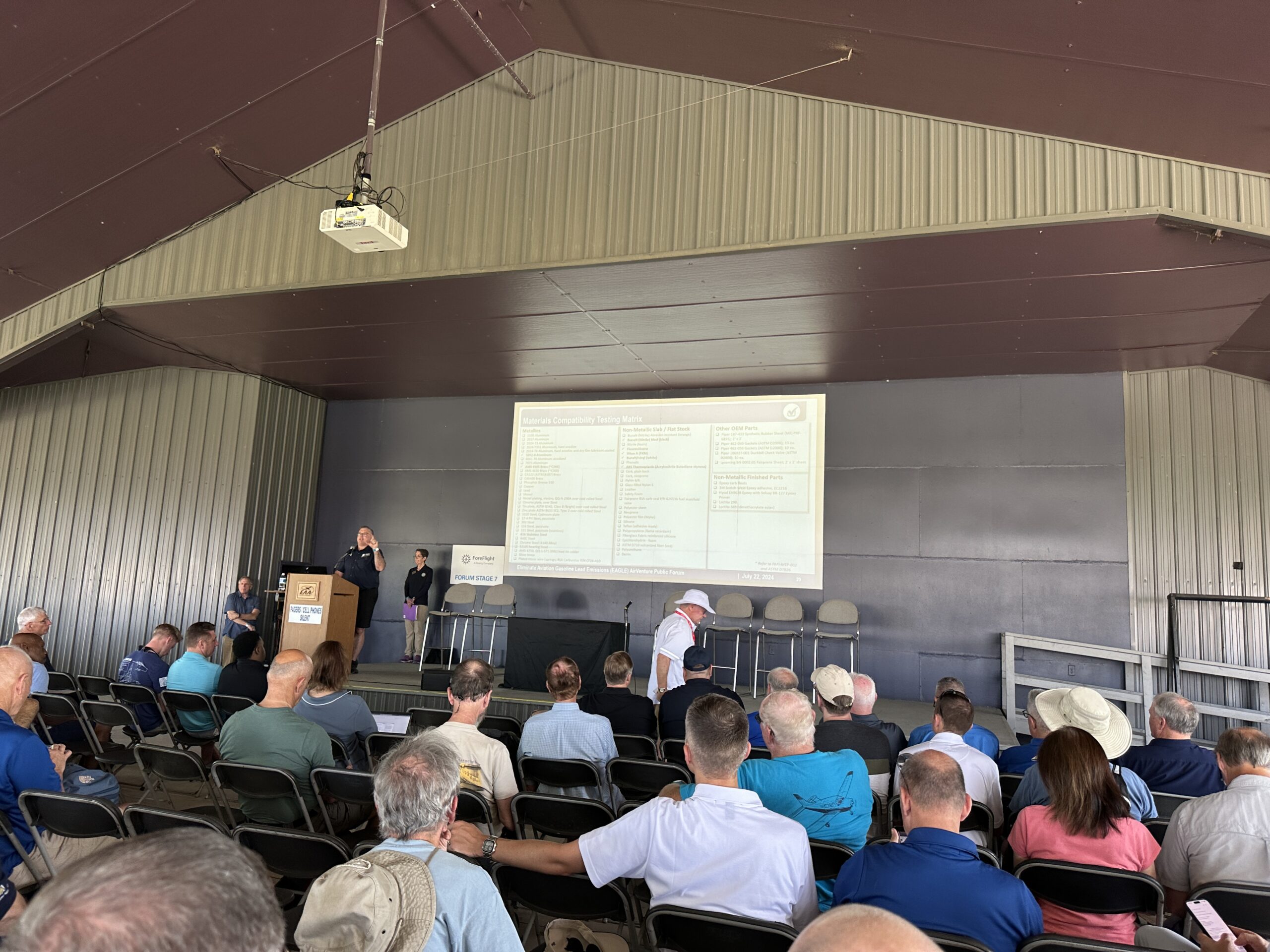
Walter Desrosier of GAMA presents on the long list of required materials testing in the path to approval for a fuel. [Credit: Julie Boatman]
Desrosier gave an in-depth look at where each of the candidate fuels are on the path to the marketplace. But even the “big picture” simplified version of that path appeared more complex than has been perhaps sold to constituents.
Three candidate fuels remain in the mix:
* GAMI’s G100UL, which has an STC but no ASTM specification acceptance
* Swift’s 100R, which is undergoing concurrent STC and ASTM compliance testing
* LyondellBasell Industries’ UL100E, going through the Piston Engine Aviation Fuels Initiative (PAFI) program, which progresses towards ASTM acceptance and fleet authorization
After compliance is unlocked, the stakeholders in the supply chain must accept it along the way: aircraft and engine OEMs, fuel distributors, FBOs, aircraft owners/operators, and pilots.
Dan Pourreau, of LyondellBasell Industries, maker of UL100E currently going through the PAFI process, led a separate presentation later in the week. In it, he noted that a true drop-in replacement for 100LL was quickly passing from reality. One reason? The MON (mean octane number) of 100LL with which many high-compression engines were certificated is roughly 104, and may be as high as 106.
The best that unleaded fuel can do with non-lead boosters has been around 100 MON. That means that if an engine cannot accept the 100 MON, it may need mods to its operating conditions, such as cylinder head temperature limitations (“paper mods”), or further mechanical or technical mods.
Materials Testing?
There’s another concern raising a specter over the viability of GAMI’s fuel in particular. And that has to do with the materials testing that earlier candidate fuels in the PAFI program failed to pass. When you put fuel into the wing of an airplane, you pump it into a tank and start its journey through a system that includes elastomers (O-rings, hoses), metals, rubbers and other bladder materials, plastics, sealants, and paint. You have the certified fleet to consider when walking through the potential interactions—and then there’s the experimental fleet.
During Desrosier’s presentation, he popped up a Materials Compatibility Testing Matrix slide listing an outline of the materials that EAA has put forward through the EAGLE consortium for consideration in the process of ensuring a candidate fuel won’t negatively interact with anything it comes into regular contact with. While the OEM holds responsibility for testing certified aircraft (including its legacy models), the individual builder must test their own.
So, one of the 2,846 showplanes on EAA’s display last week drew my interest as a result of this question: the Beechcraft Baron that the Aircraft Owners and Pilots Association (AOPA) is using to demonstrate to its members the high-octane unleaded fuels vying to replace 100LL. I’d have reason to take a close look at it as the week wore on—Oshkosh often serves as a proving ground for new designs and technologies, in that they must sit out in the sun, wind, and storms for more than a week in many cases. That’ll test anyone’s material makeup.
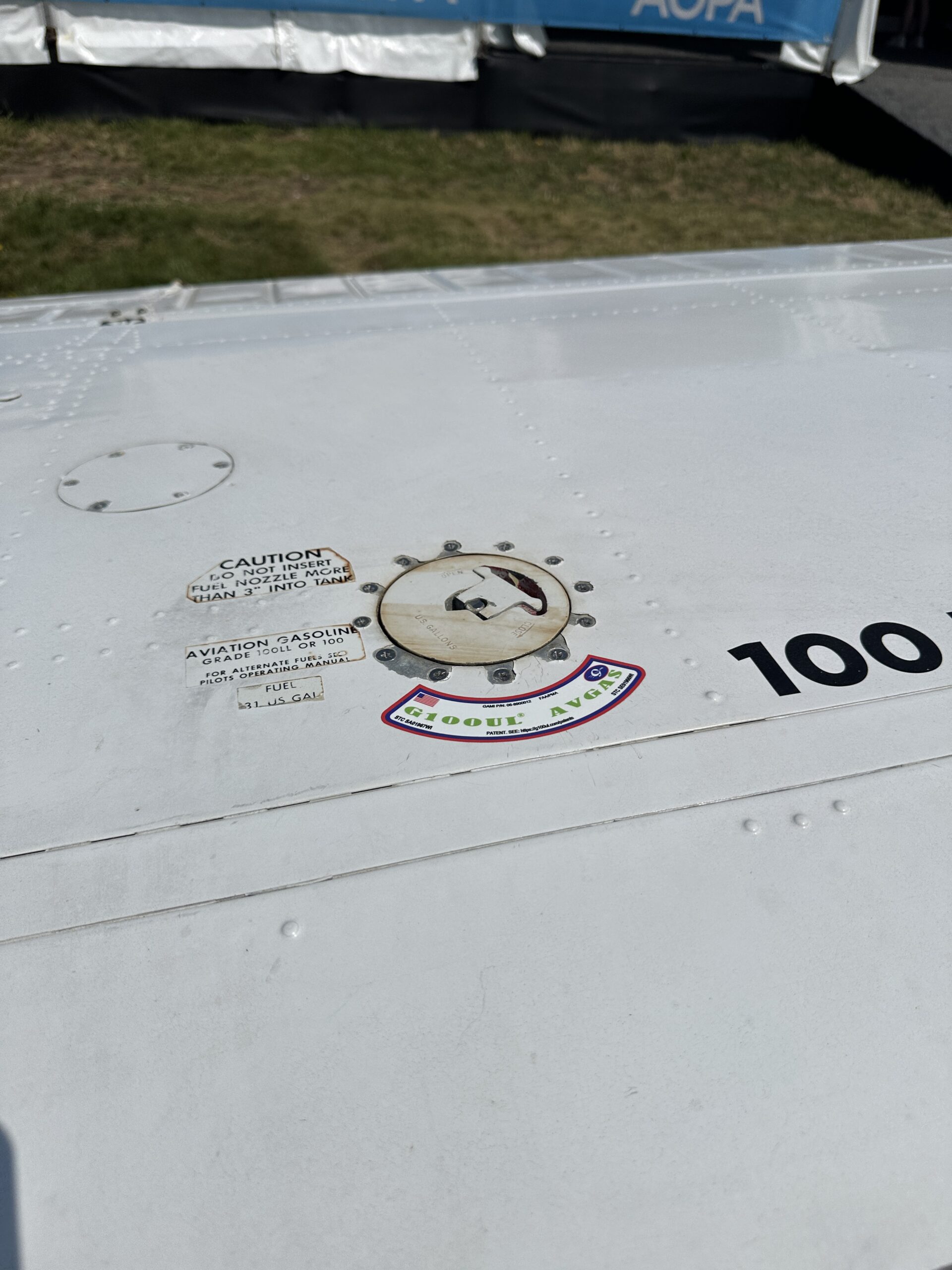
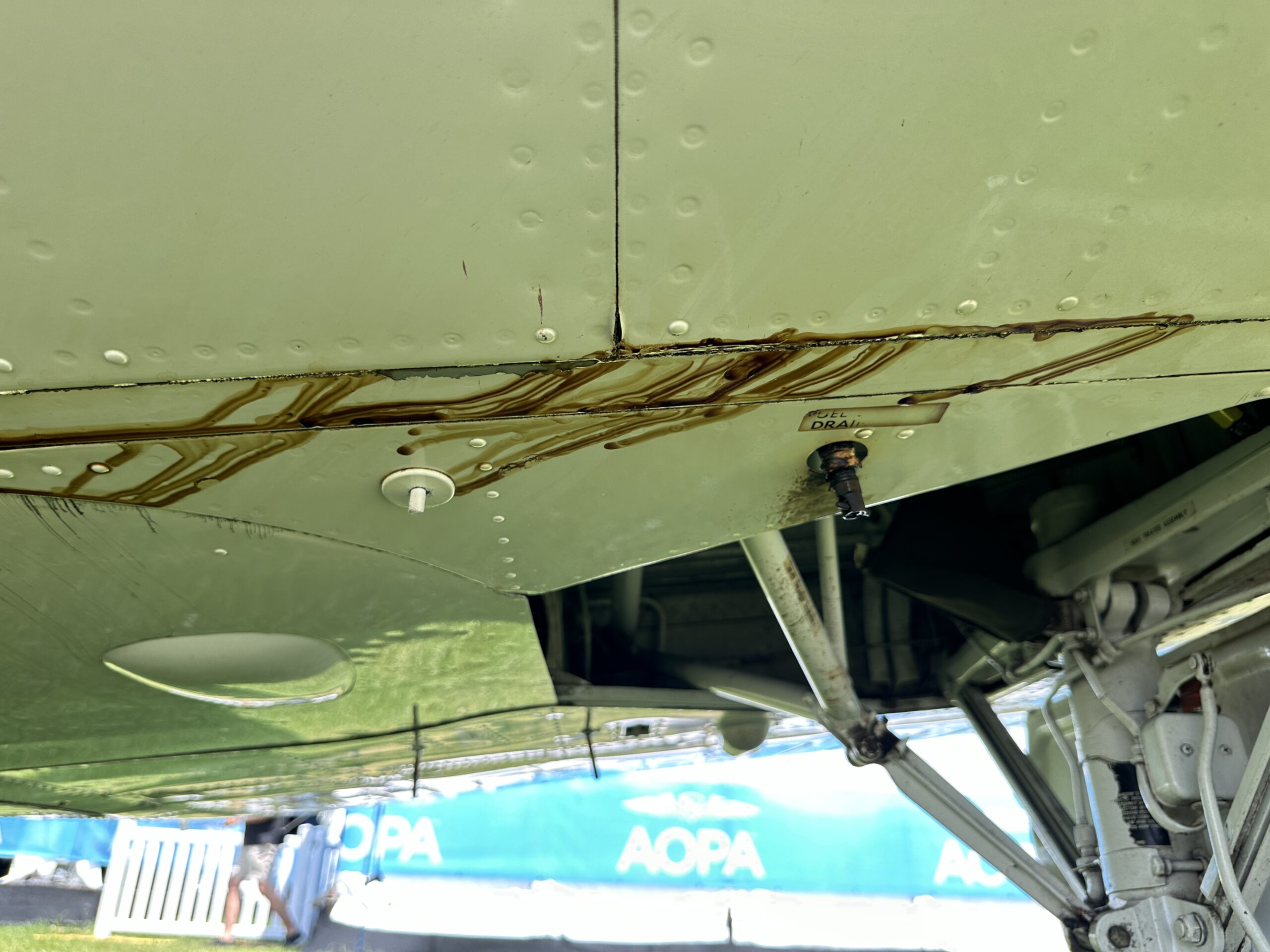
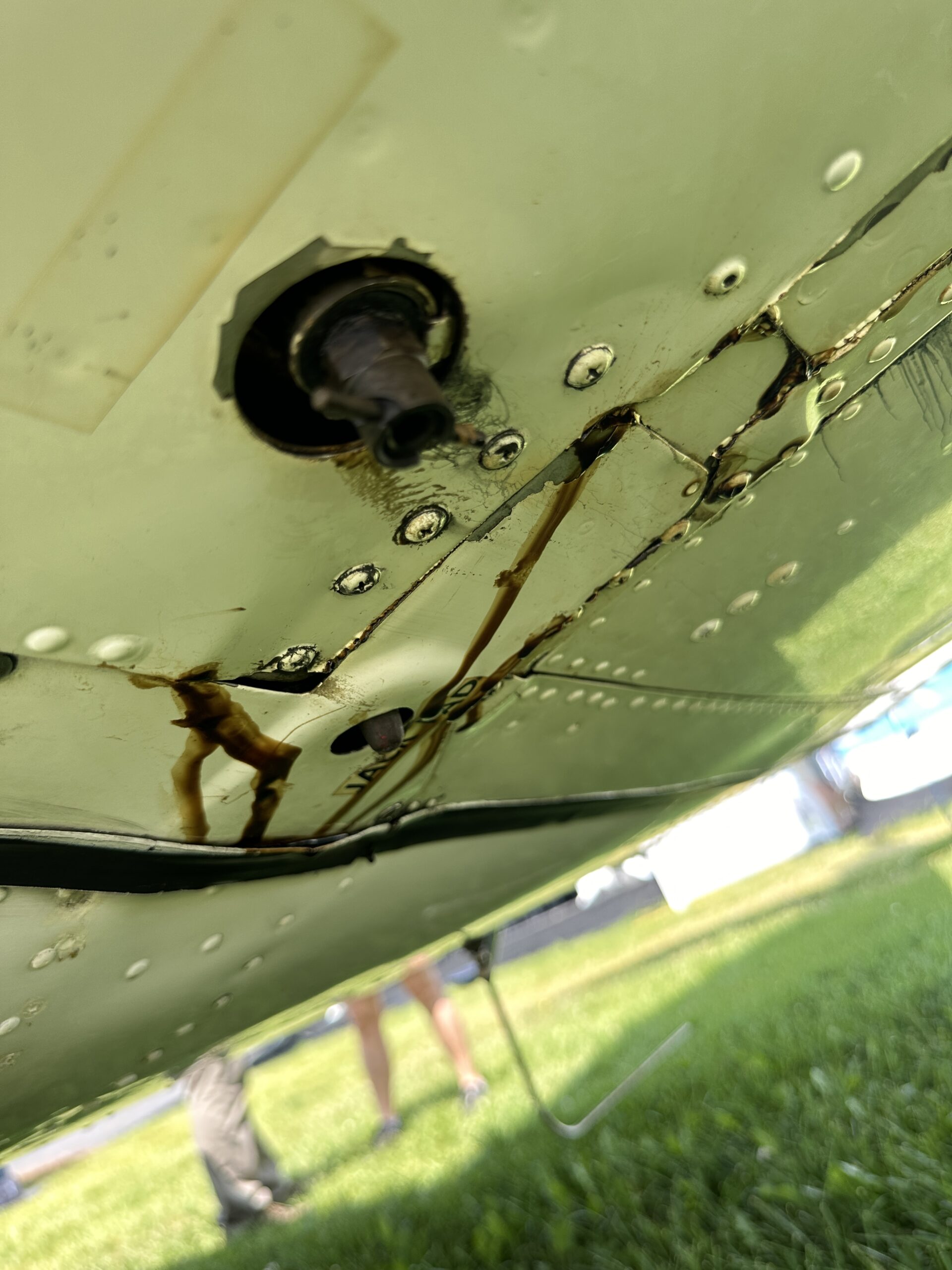
AOPA flew the Baron to the show with GAMI’s fuel powering the left engine. As the week wore on, two things raised questions in the area of materials compatibility—though nothing is conclusive yet. The first one feels perhaps cosmetic: the stain growing on and around the fuel cap on the left main tank where white paint had been previously.
The fuel cap on the left main tank of the Baron flown by AOPA for unleaded fuels testing. [Credit: Julie Boatman]Sludge weeping from seams under the wing of the Baron at the AOPA exhibit. [Credit: Julie Boatman]Reaching a low point in the wing, perhaps, the substance had the appearance of oil but smelled more of sealant. [Credit: Julie Boatman]
The second one feels more onerous, though we don’t yet know what the cause is. A line of oil-colored sludge reeking vaguely of sealant seeped from the seams underneath the wing, at low points near where the tank sits inside the wing. I crawled under to take a look myself, and it was there for all to see. Until the source of the sludge is inspected, however, its origin is inconclusive. Stay tuned for more as other results of long-term testing/demonstrations come to light.
We Have a Mixing Problem
The FAA recently published data that indicates GAMI’s fuel uses m-toluidine, an aromatic amine, as an octane booster. Not only does this set of chemicals potentially pose materials compatibility problems, but it also raise the problem of intermixing in the field—or within a tank. For its part, Swift Fuels has stated that any fuels containing aromatic amines cannot be intermixed with any Swift Fuel, including the 100R.
LyondellBasell reported that its fuel will be fully miscible with 100LL, since it runs very close to the leaded fuel in its chemical and physical properties. But it too is not likely to be mixable with either GAMI’s or Swift’s fuels.
And that prompted me to ask the question at the forum, is there a point at which the FAA and industry will need to get behind one fuel to move forward with—especially since FBOs are unlikely to have multiple tanks to dedicate to unleaded fuels? The market is so small as it is, and the risk of bifurcating it into two or three high octane unleaded fuels doesn’t sit well.
With these clouds on the horizon, the race to field a workable unleaded fuel solution for the GA fleet by 2030 has only intensified. The next EAGLE report will be virtual, in October. I plan to be there—will you?
Lots of pilots come to EAA AirVenture each year to learn, whether it’s in a builder’s forum, an expert panel, or a session in a flight sim at the Pilot Proficiency Center.
Thursday held a training theme for me around master instructors, with three gatherings tuned to bring CFIs together.
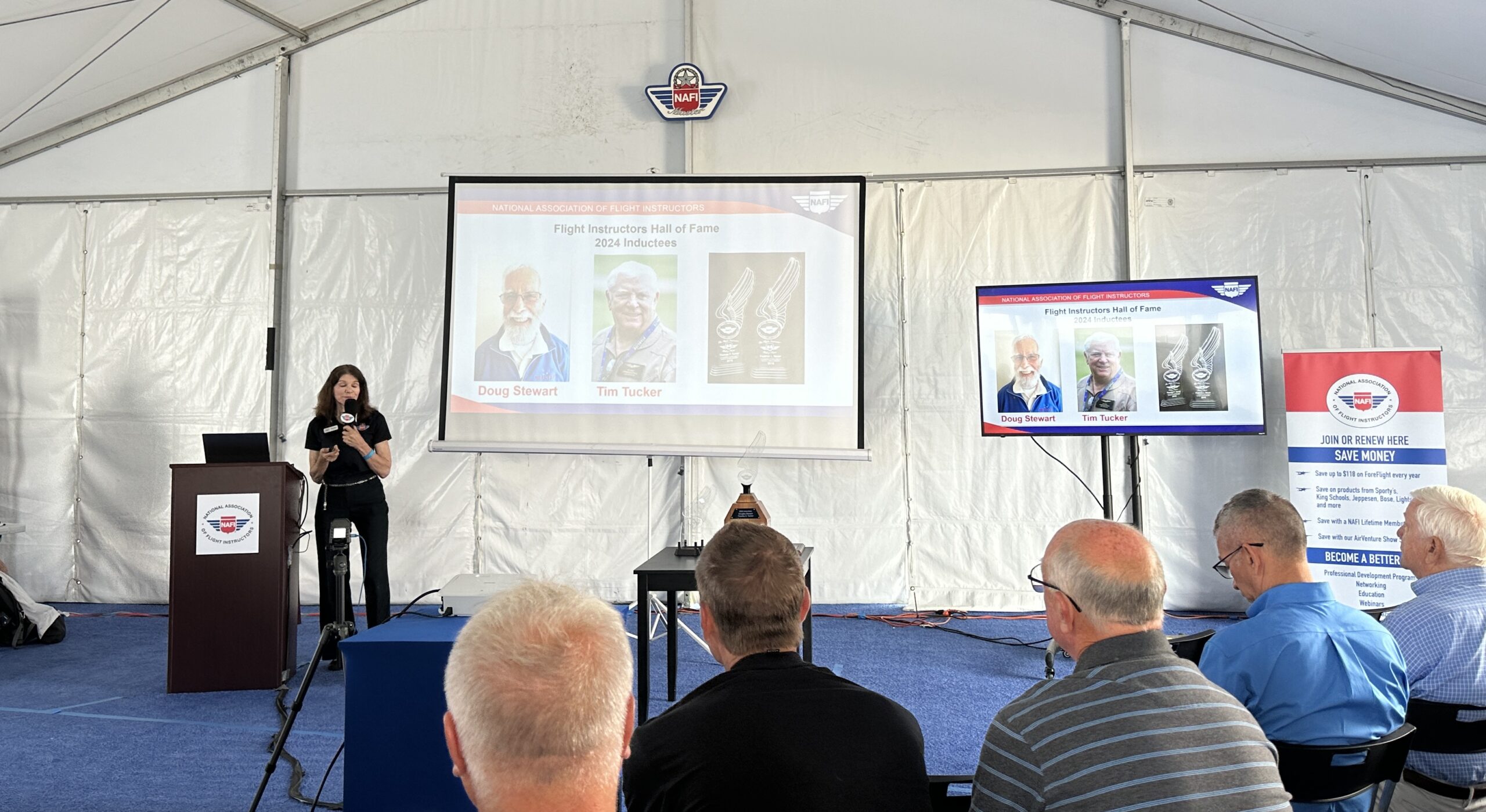
The first was the annual member breakfast for the National Association of Flight Instructors (NAFI). During the event, NAFI inducted Doug Stewart and Tim Tucker into the Instructor Hall of Fame, and gave the Eggespuehler and Laslo awards to Samantha Bowyer and author Steve Rutland.
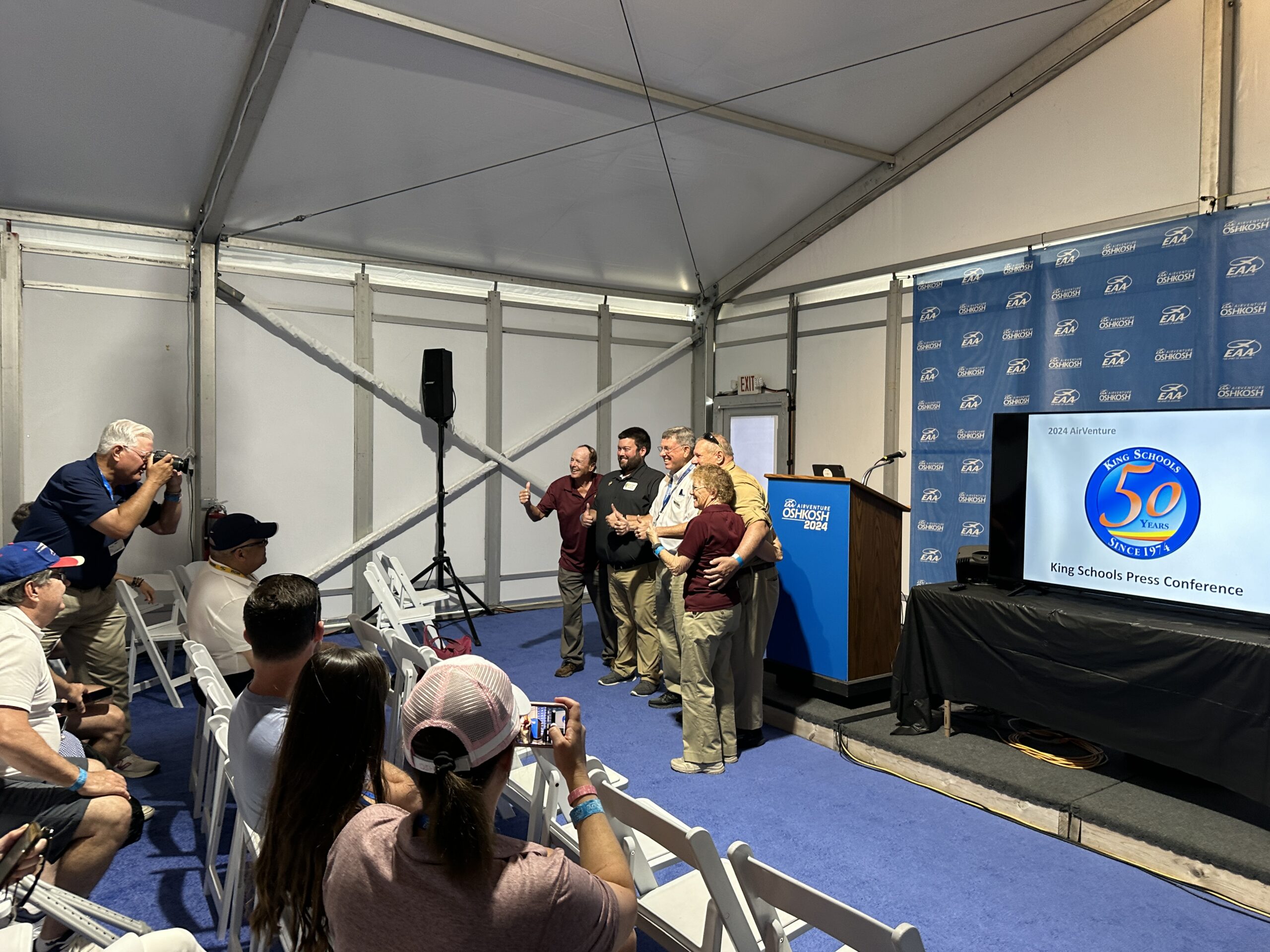
The second was the annual King Schools press conference and lunch, which gathered flight school leaders and scholarship winners along with John and Martha King—legendary instructors who take the time to talk with everyone who comes their way.
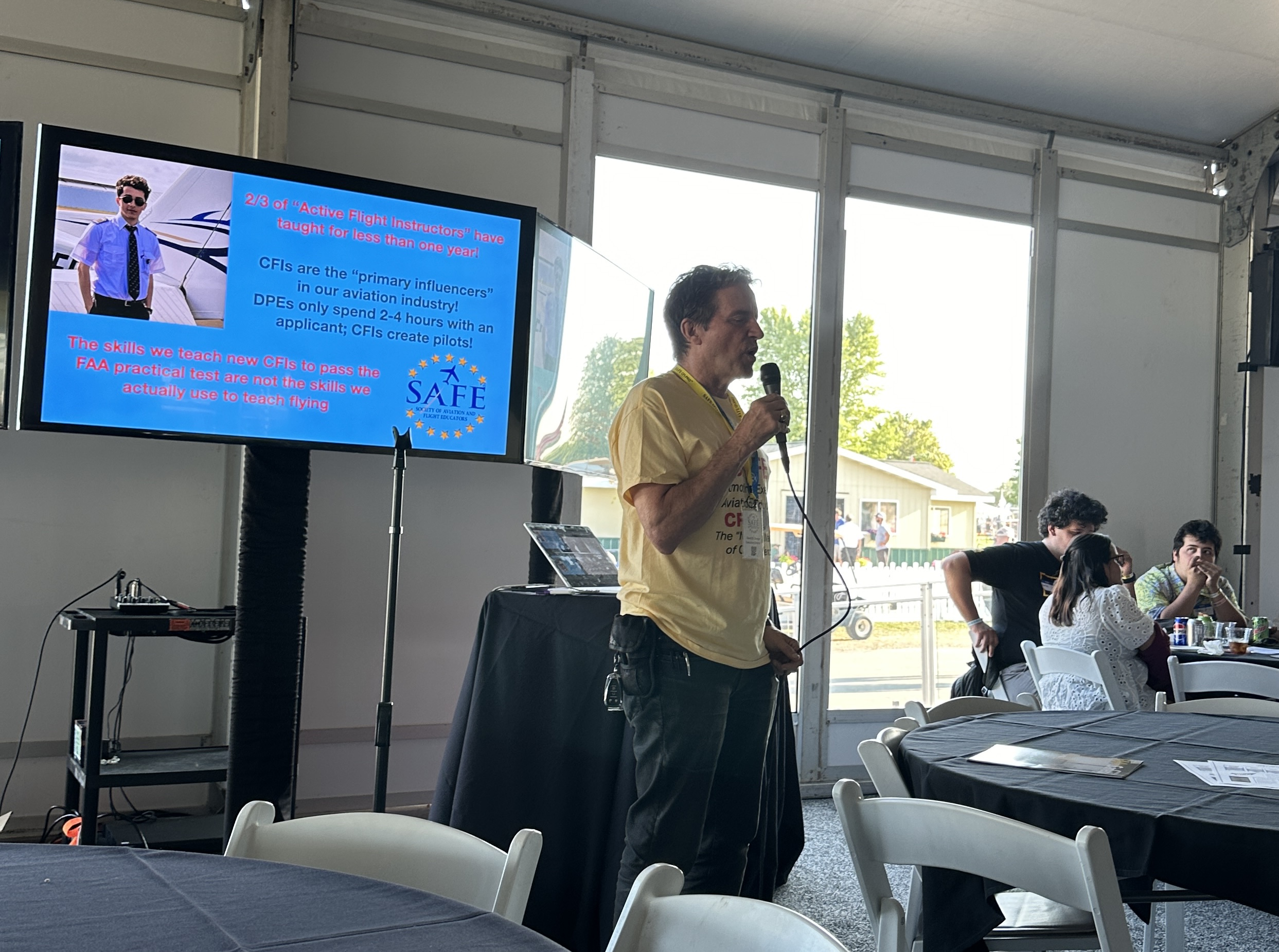
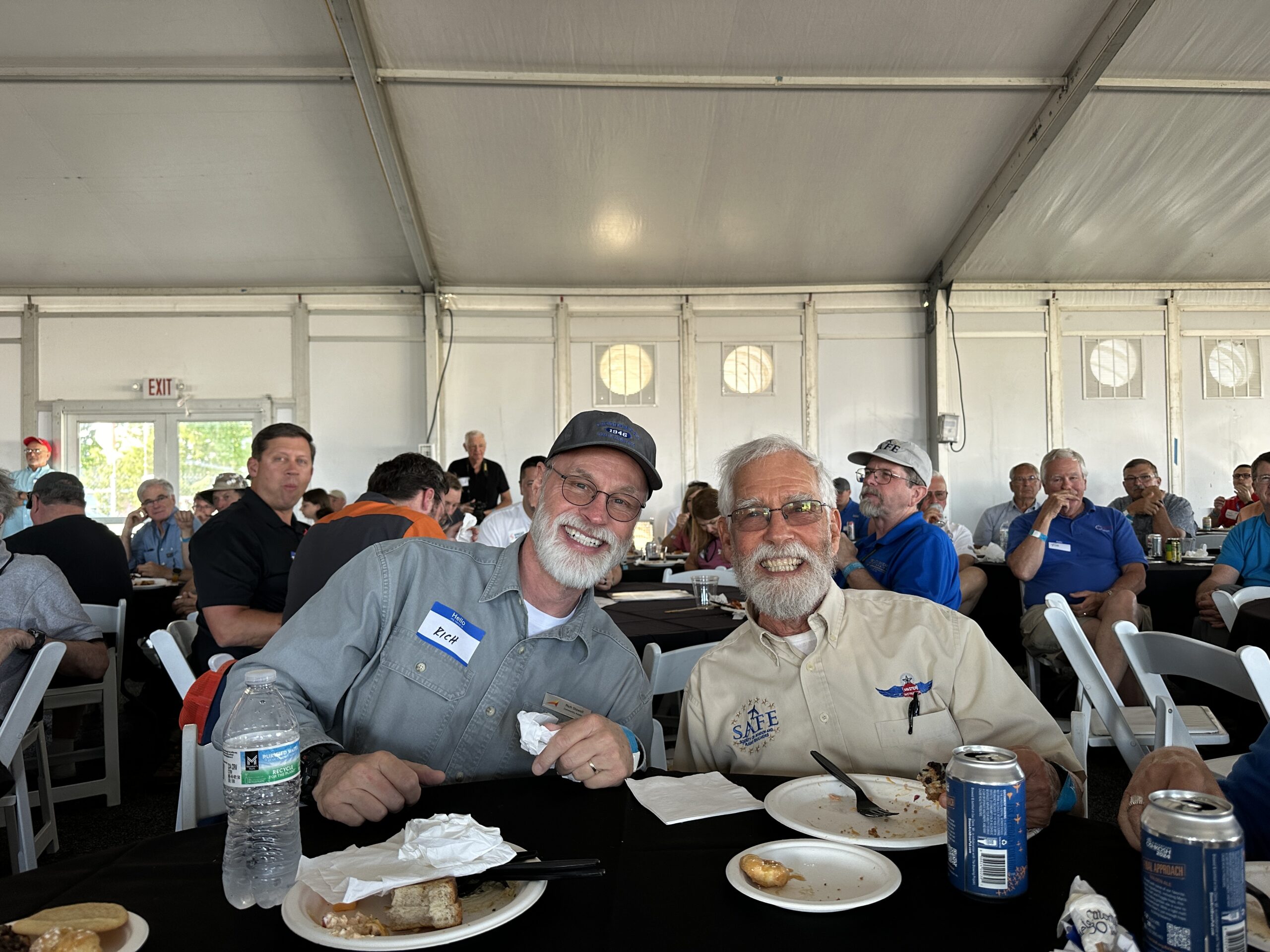
Third was the dinner hosted by the Society of Aviation and Flight Educators (SAFE), during which Instructor Hall of Fame member Rich Stowell gave his presentation on 9 Principles of Light Aircraft Flying.
At each event, I took away something I intend to apply to my own dual given.
The 2024 inductees to the National Instructor Hall of Fame were honored at NAFI’s breakfast. [Credit: Julie Boatman]John and Martha King pose for their raving fans at their lunch press conference. [Credit: Julie Boatman]David St. George kicks off the annual SAFE dinner on Thursday evening. [Credit: Julie Boatman]Rich Stowell and Doug Stewart catch up at the 2024 SAFE dinner at Oshkosh 2024. [Credit: Julie Boatman]
For an Oshkosh lacking major announcements—no totally new aircraft, no killer app—the quiet part out loud could be found in applications of new technology to familiar aircraft.
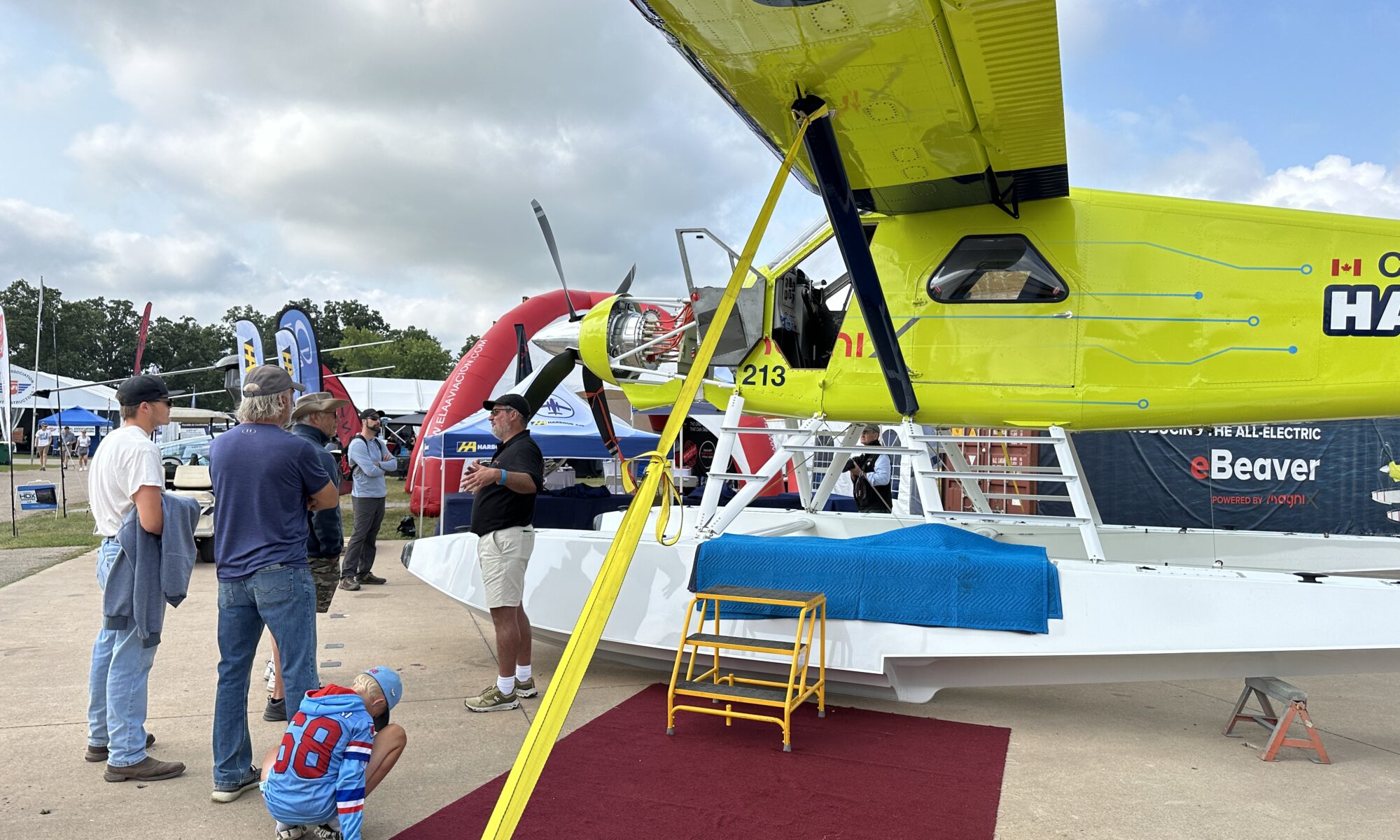
The headliner has to be the Harbour Air eBeaver, tucked into the main aircraft display, featuring a Magni650 power train. We spoke with Riona Armesmith, CTO of MagniX, and she briefed us on the operation of the dual motor, four inverter system driving a Hartzell composite prop. The STC is in work while flight tests comtinue.
The next pair involve simplified flight controls. We signed up for a demo of the Skyryse system in the sim set up in the shadow of the tower. We’re under NDA, but if the four-axis controls work as advertised, in a Robinson R66, we’ll likely need a different pilot certificate for traditional rotorcraft—worse than giving a manual transmission car to a kid who has only driven an automatic.
We also met up with Airhart’s founder and CEO Nikita Ermoshkin, who we interviewed for a story on Robb Report last week. The team is testing simplified flight controls in a Sling E-LSA, after flying its first proof-of-concept in an RV-12. The idea? Bringing easy flight to the masses. And I say making it possible to get a sport pilot certificate in 20 hours or less—for real.
With the relaunch of JulietBravoFox Media, we’ve captured back a bit more time to volunteer with the aviation missions closest to our hearts. Day Two at AirVenture was filled with meet-ups for two key groups: the Recreational Aviation Foundation and LightHawk.
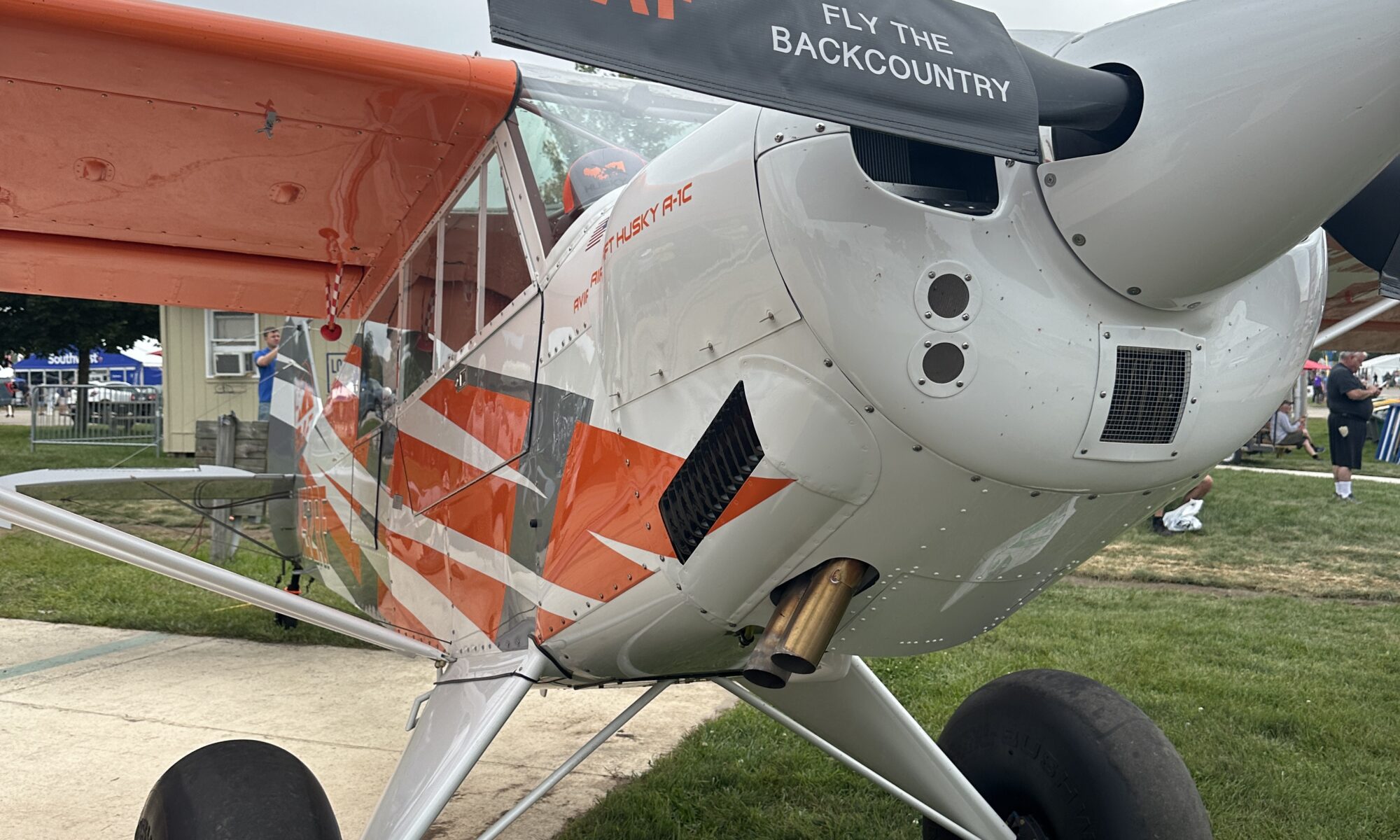
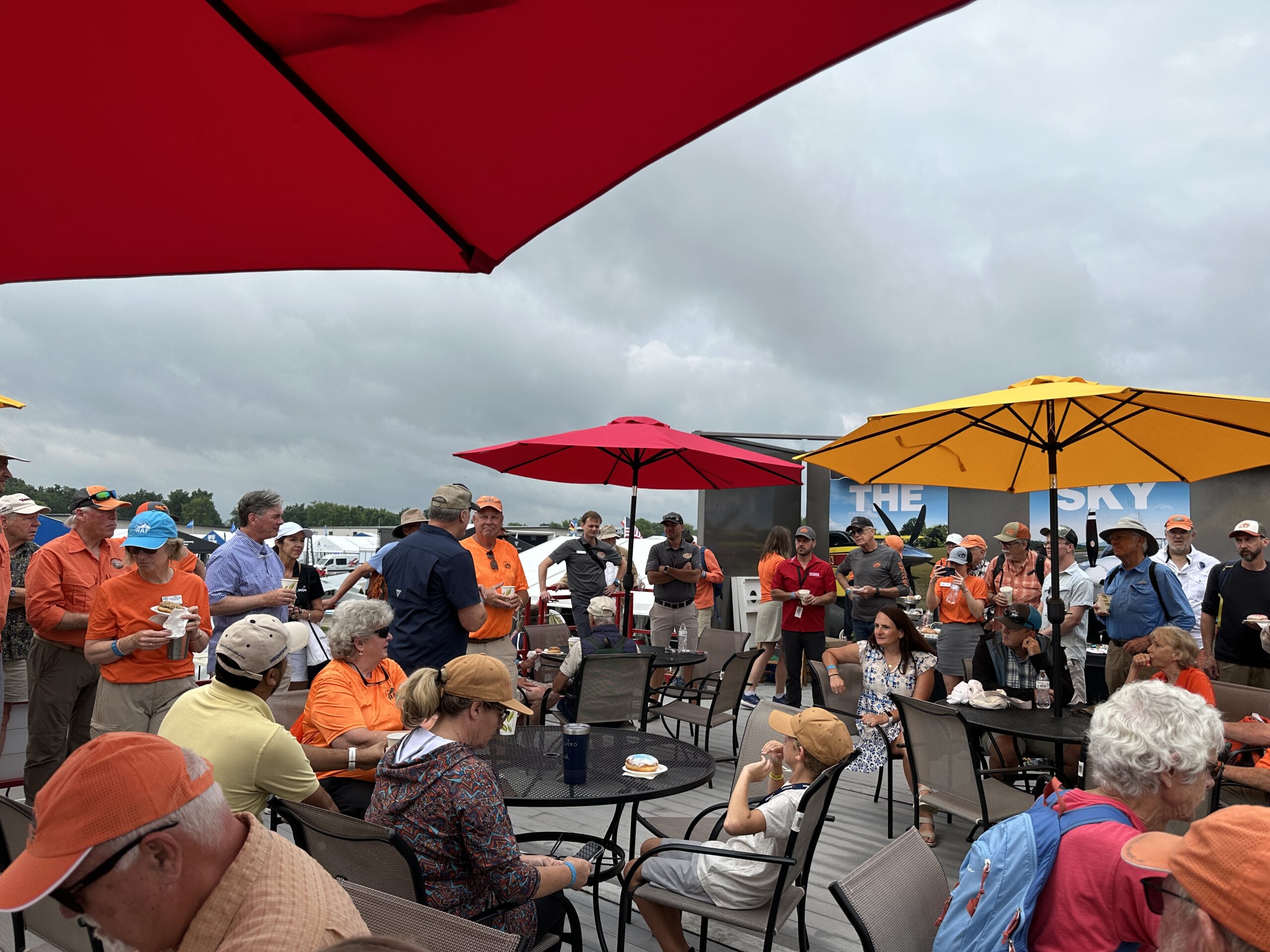
We kicked off the day with doughnuts and coffee and good times with our fellow RAF volunteers on the top of the Hartzell booth, with a great view of the main aircraft display. Pete Bunce of GAMA honored a couple of special contributors, and then we went on a walk to take photos of the orange RAF gaggle at sponsors’ exhibits around the show: Redbird Flight Simulations, Daher, and Aviat.
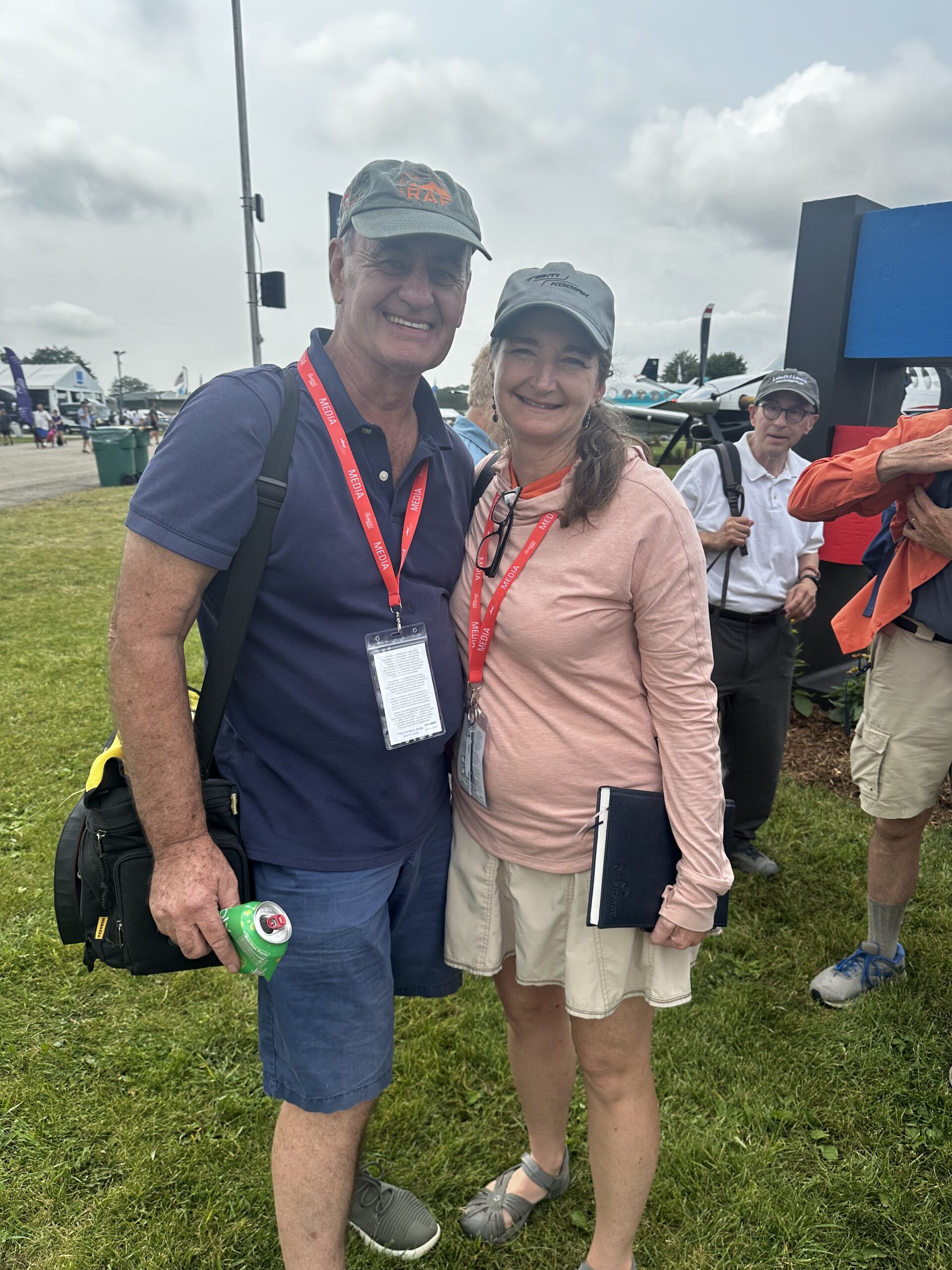
Next, we had a gathering of LightHawk volunteer pilots, of which Julie just became one—along with the contribution of Stephen’s photography. We met at the Textron Aviation booth, hosted by board chairman Steve Kent. We shared our latest missions and took a tour of the Cessna, Beech, and Pipistrel aircraft on display.
Our evening capped off with two parties celebrating community: AOPA’s 85th anniversary bash at The Waters, and the Pilatus/Piper Block Party, where we met up with old friends.
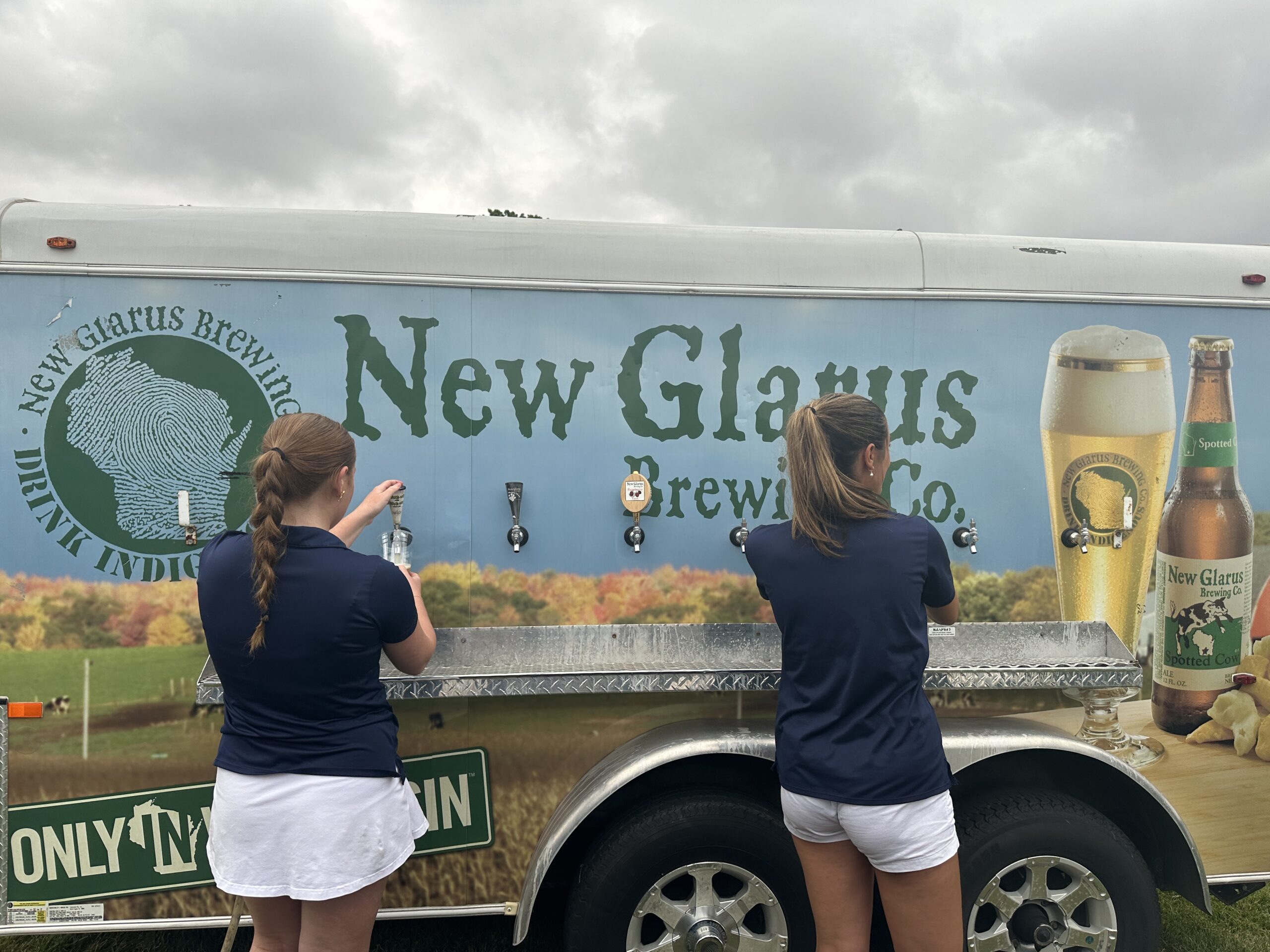
Doughnuts and coffee and camaraderie celebrate the Hartzell rooftop gathering of volunteers with the Recreational Aviation Foundation. [Credit: Julie Boatman]Stephen and Julie met up with fellow LightHawk volunteer pilots at the Textron Aviation exhibit, sharing stories with friends old and new. [Credit: Julie Boatman]AOPA brough New Glarus on tap for its 85th anniversary party at the Waters. [Credit: Julie Boatman]Pilatus and Piper hosted their annual “block party” showing that even competitors find community at Oshkosh. [Credit: Julie Boatman]
This year’s EAA AirVenture launched with a relentless lineup of press conferences and events impossible for one person to cover—so it’s great to have a team here!
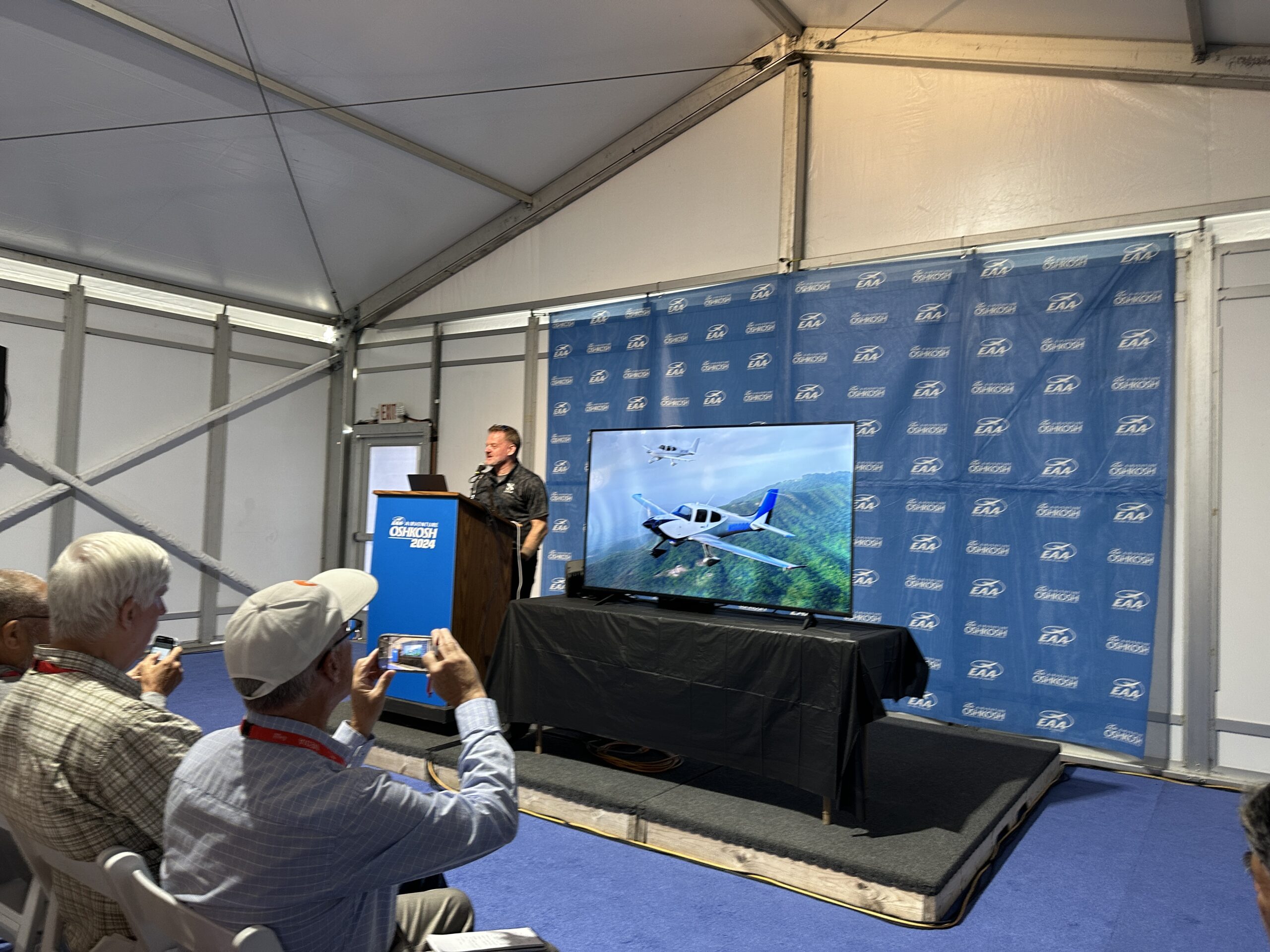
We started off with the Cirrus presser and Todd Simmons gave his characteristically enthusiastic run down of the company’s recent success—and the 10,000th SR and 500th Vision Jet are on display here at the show.
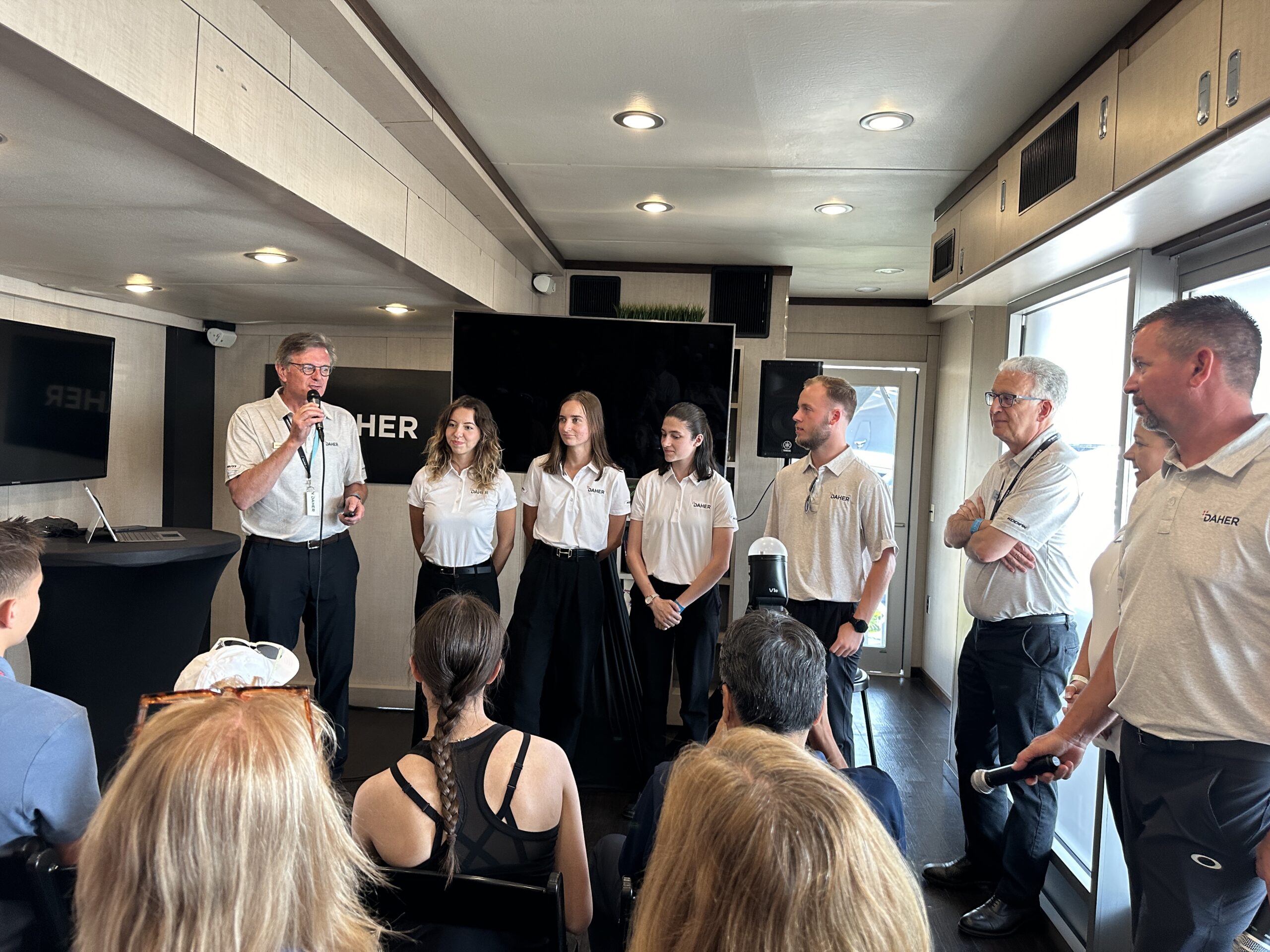
Daher’s Nicolas Chabbert introduced the Multi-Mission Kodiak 900 with its truly dynamic paint scheme to show off the company’s new paint facility in Sandpoint. Chabbert gave the mike to CEO and group chair Didier Kayat for his update, then introduced the interns for 2024—one from the US, one from Canada, and two from France.
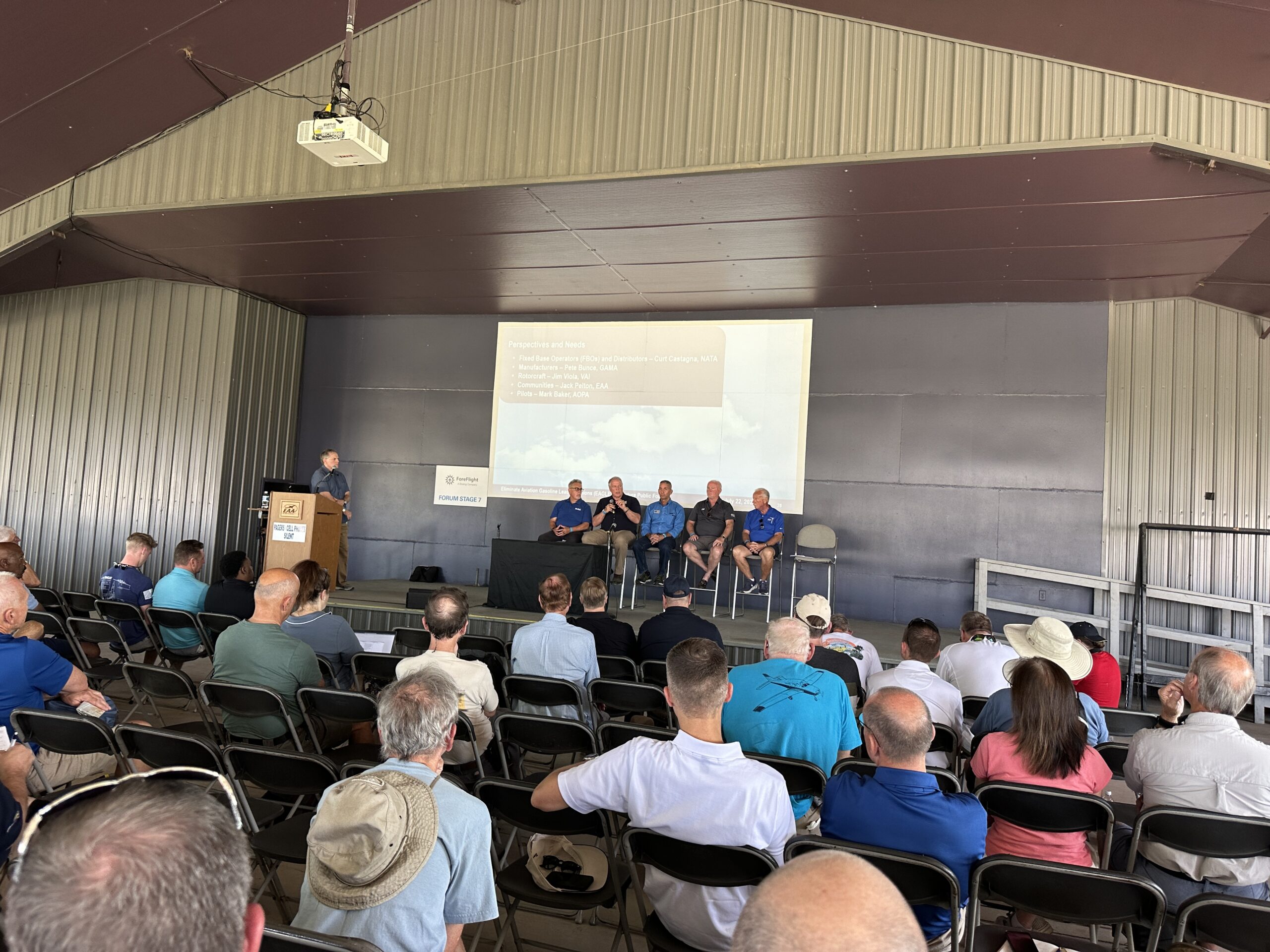
The EAGLE initiative delivered a detailed update—and raised a lot of questions. More on this in an in depth edition of #JustJuliesTakes later this week.
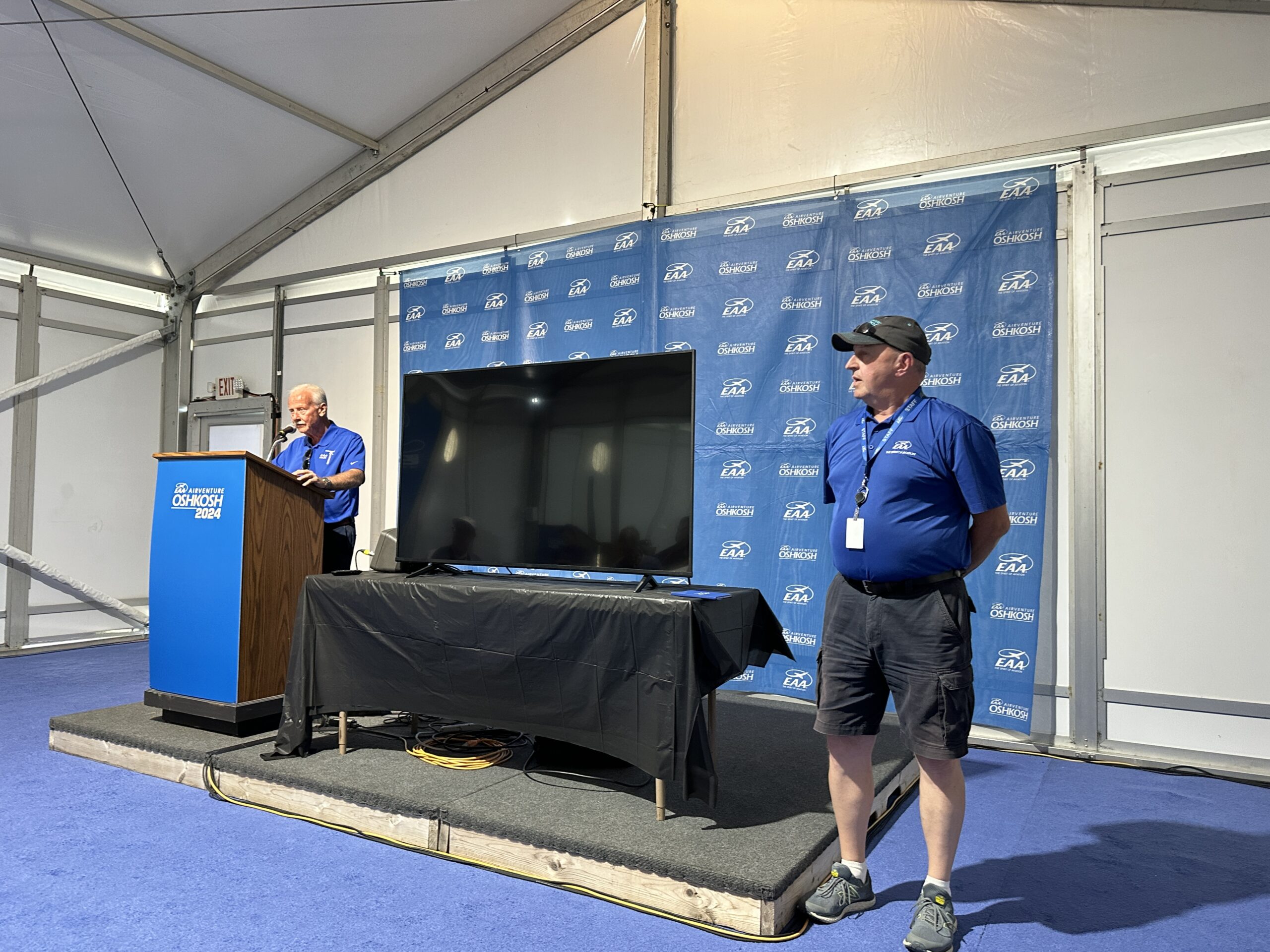
Todd Simmons heads up the customer experience team at Cirrus. [Credit: Julie Boatman]Nicolas Chabbert, CEO of Daher’s Aircraft Division, introduces the 2024 interns in the company’s program with GAMA. [Credit: Julie Boatman]The EAGLE update on unleaded fuel for GA sparked a lot of questions from the crowd. [Credit: Julie Boatman]EAA Chairman and CEO Jack Pelton and Director of Coms Dick Knapinski kick off AirVenture with a big lineup and lots of folks flying in. [Credit: Julie Boatman]
We cruised in 24 hours ago, and that first day at EAA AirVenture 2024 has filled up with friends, and tents, and requisitioning from the local commisaries: Columbia Outlet, Kwik Trip, Mills Fleet Farm, and Festival Foods.
We start the business end of our stay in an hour, and I’ll plan to share my #JustJuliesTakes from each day of the show. But for now, I’ll leave you with a quartet of images that capture today’s day of active rest in the Oshkosh Bubble.
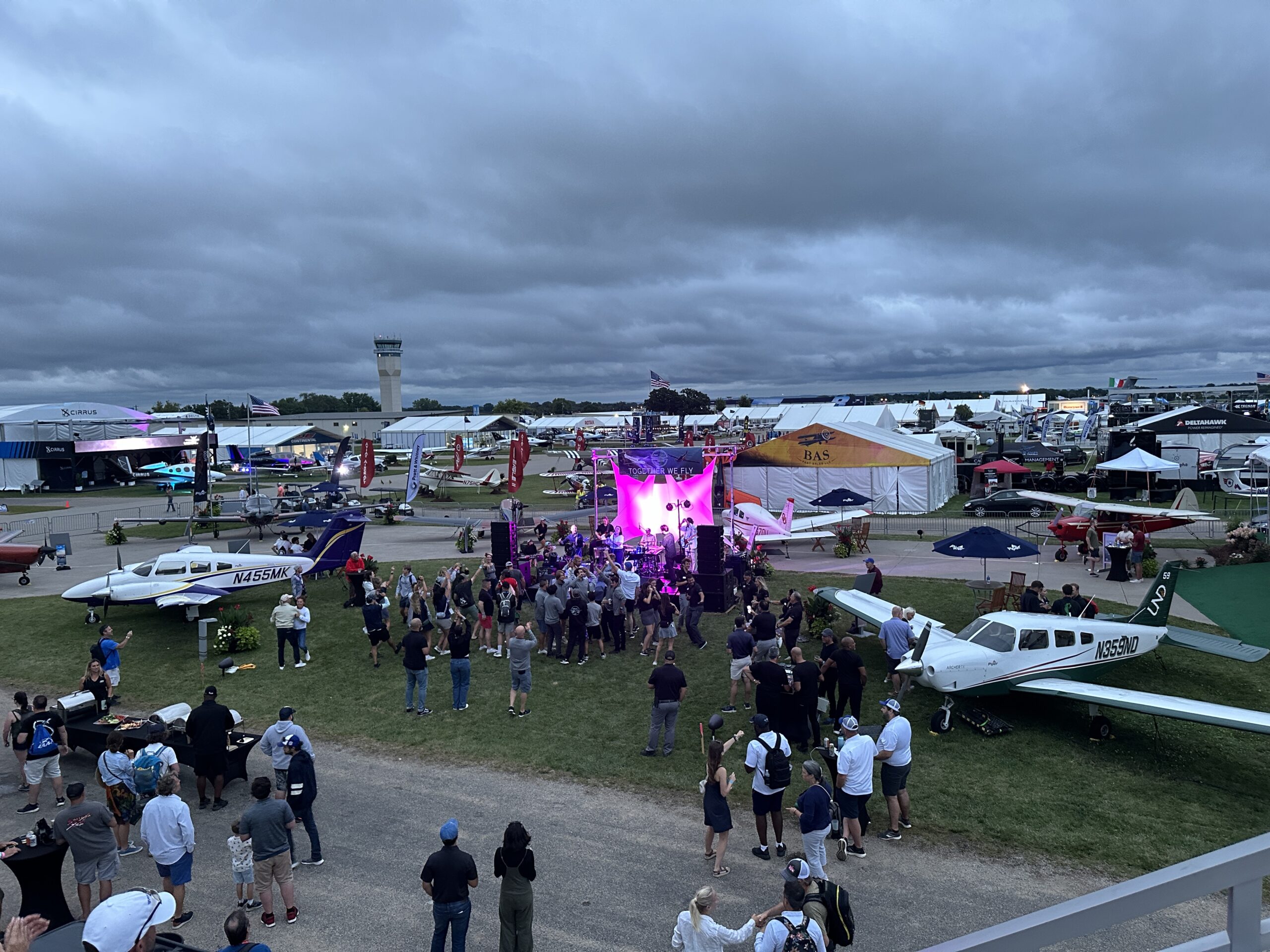
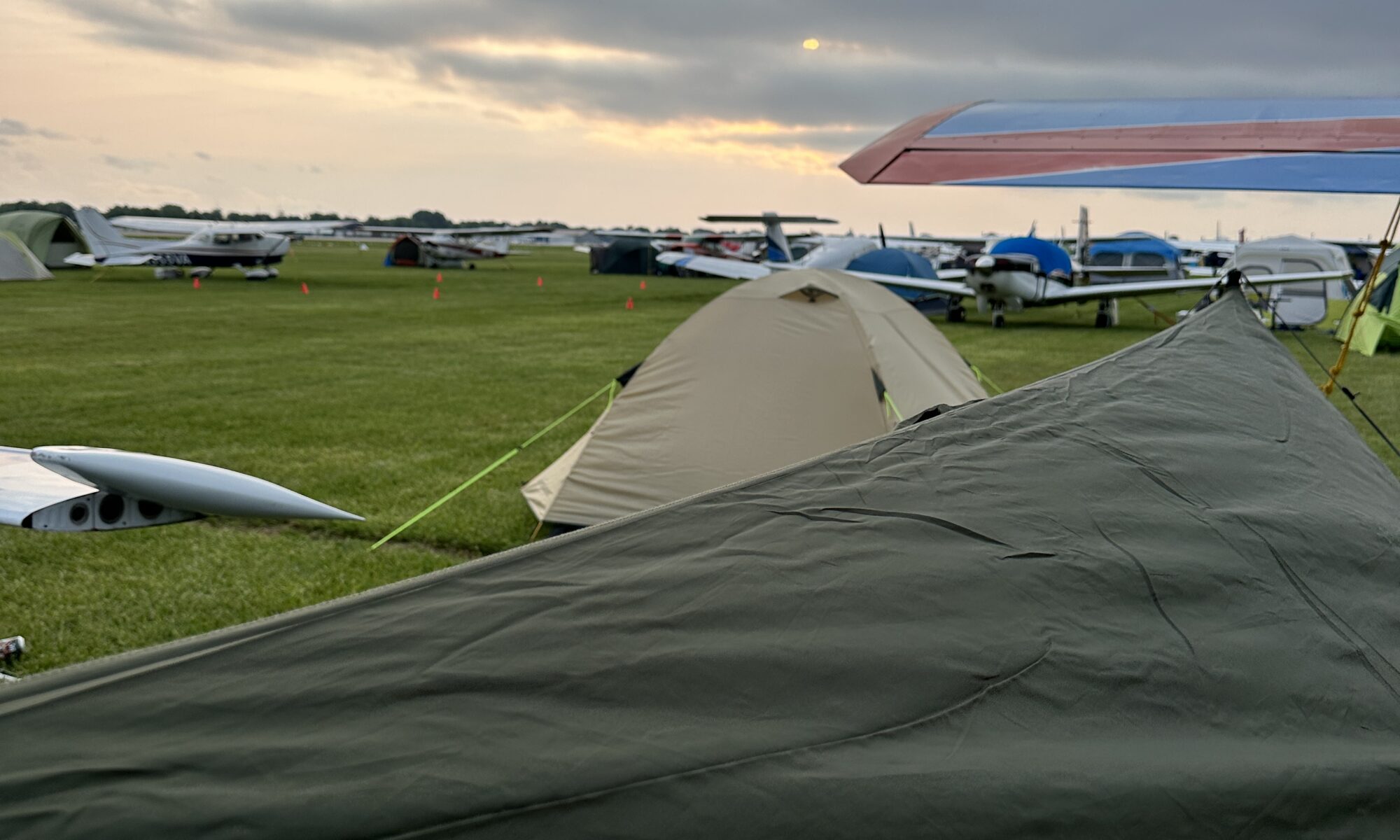
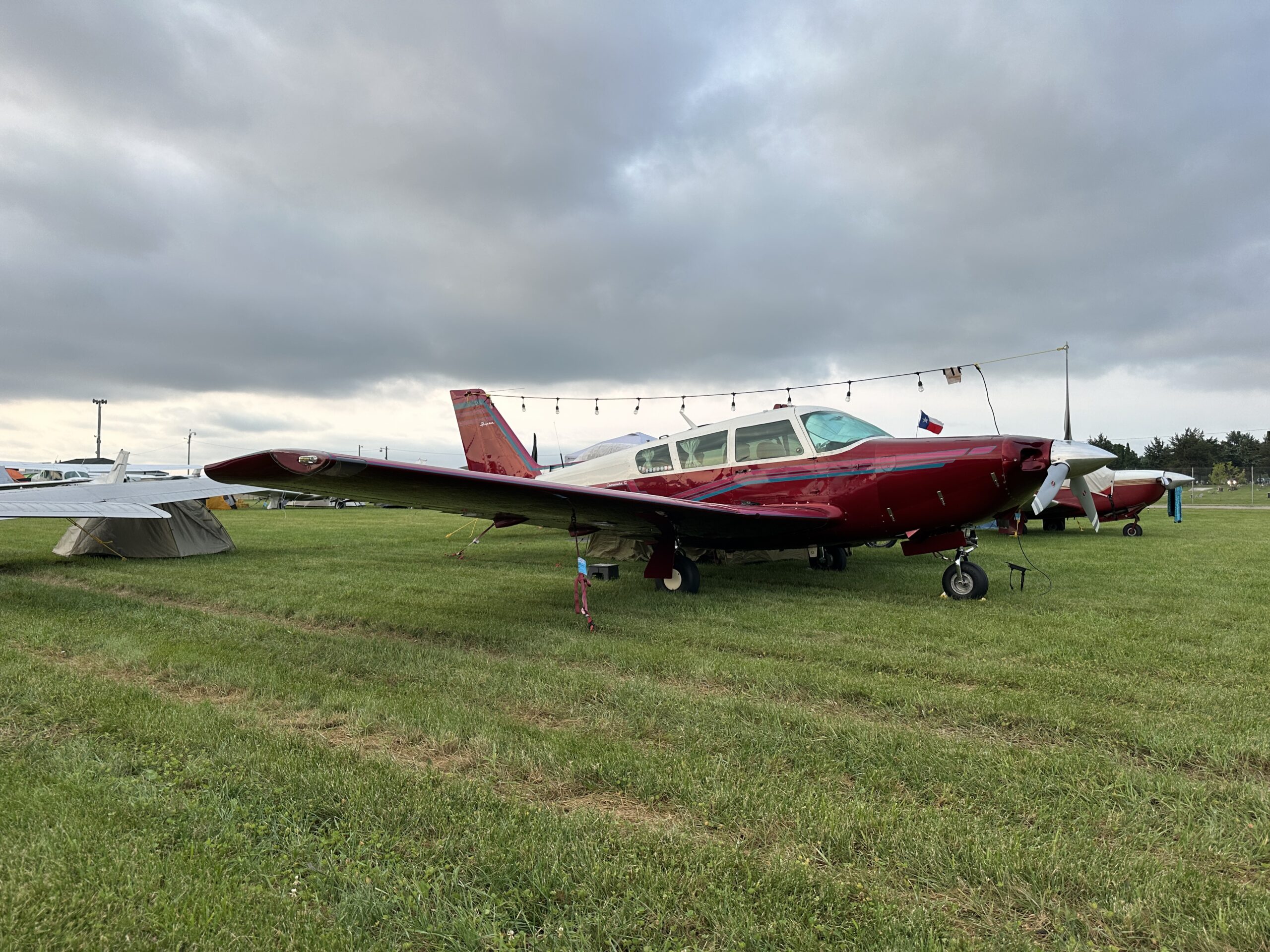
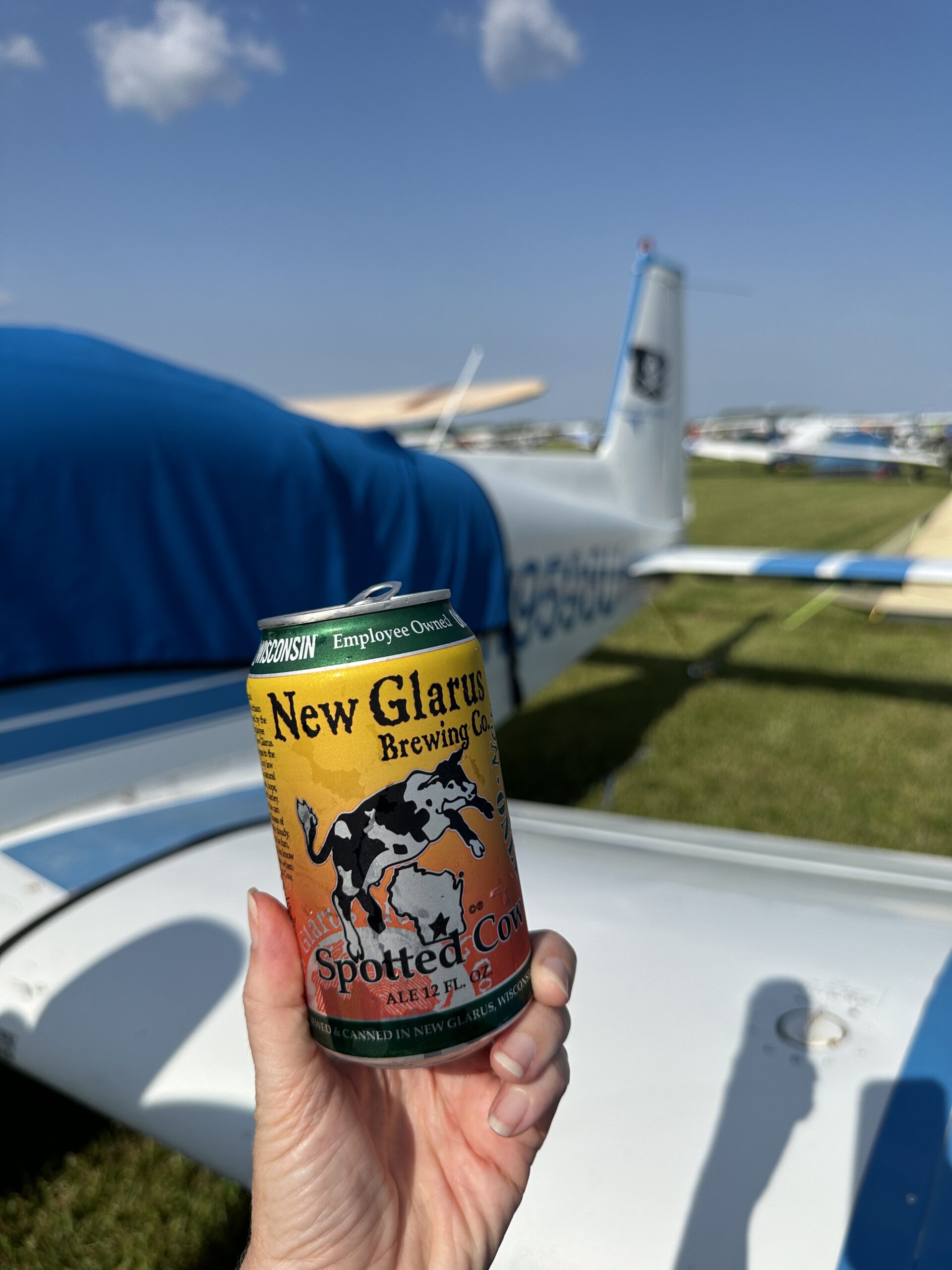
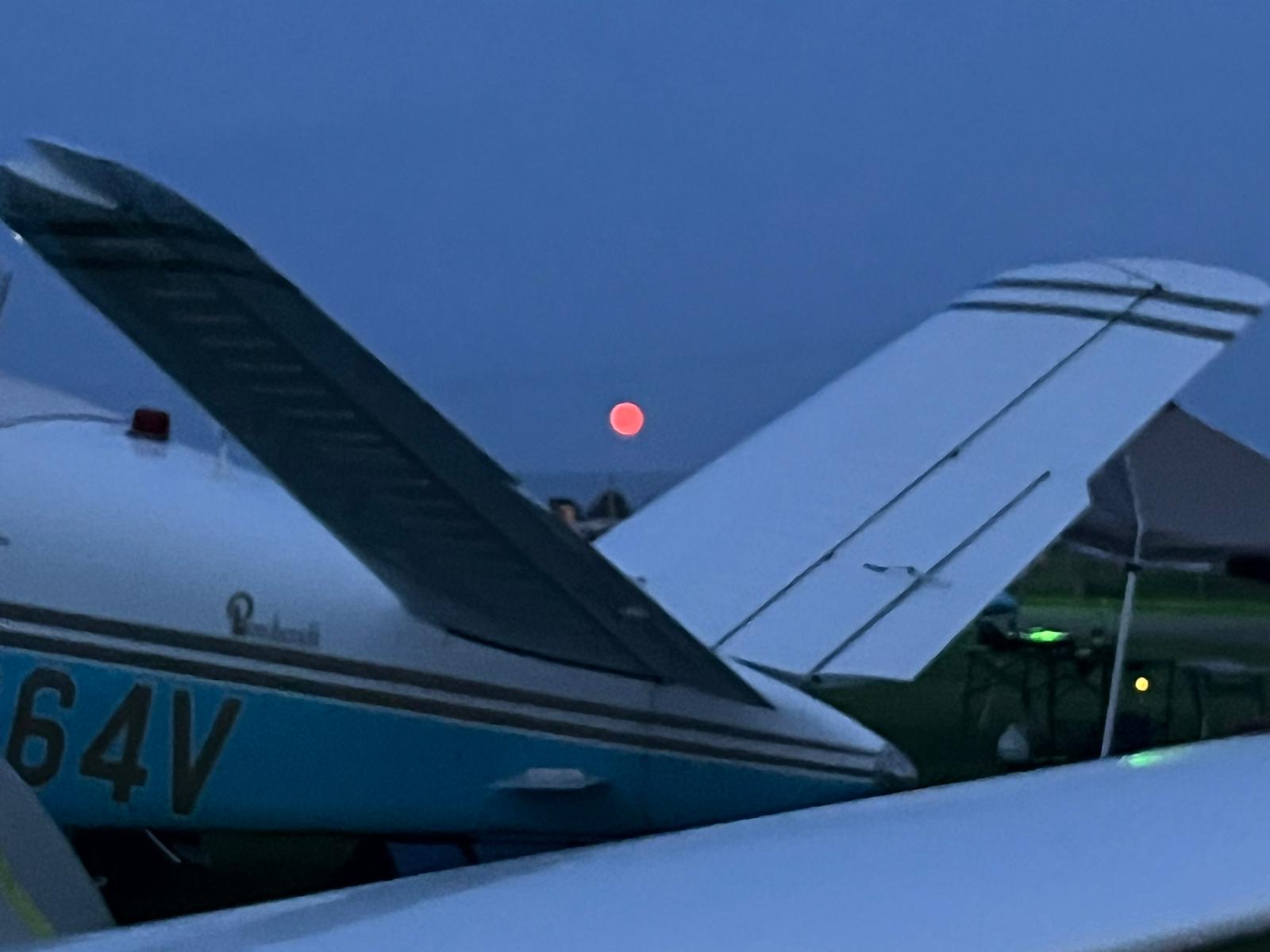
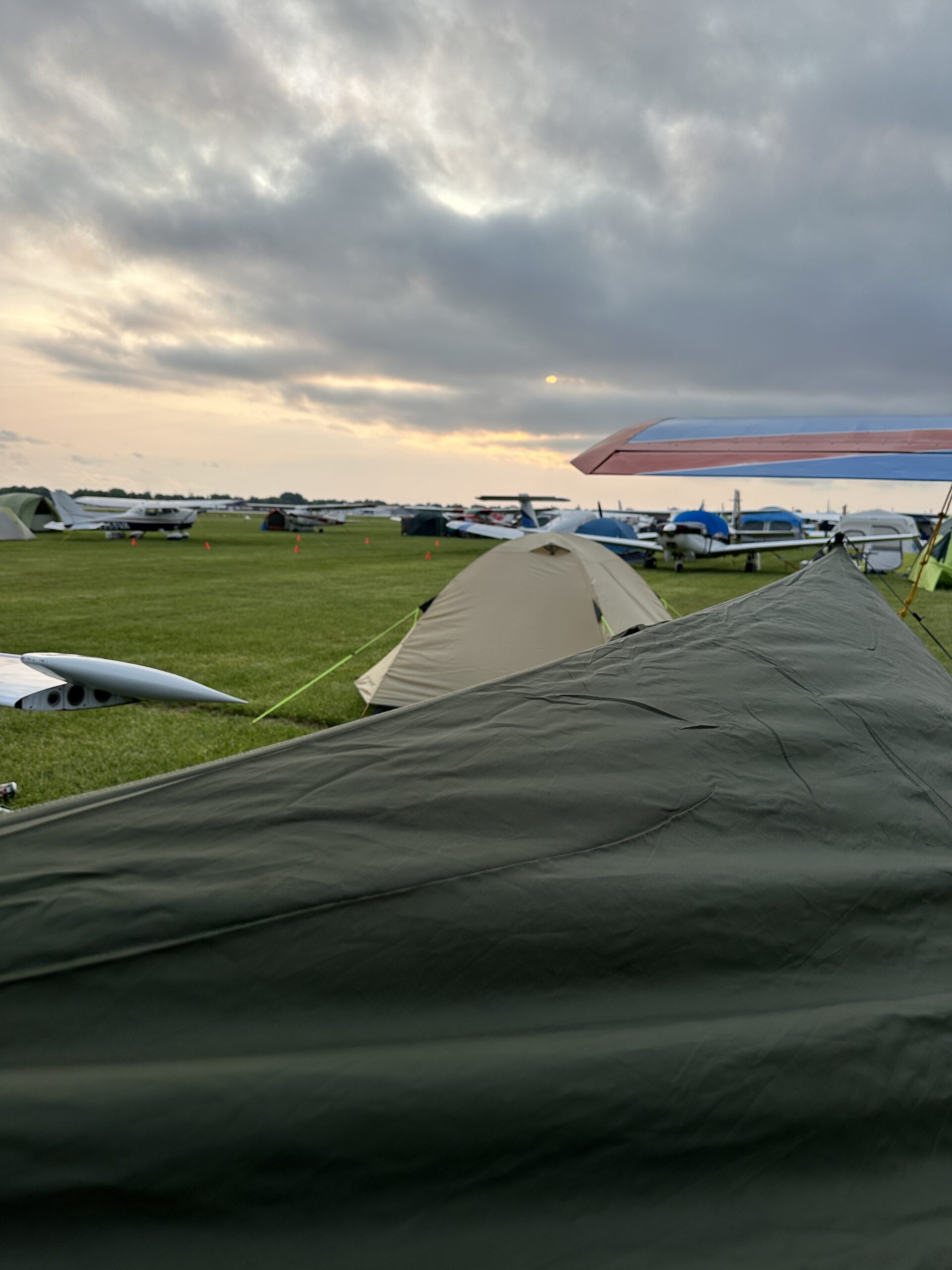
You can adorn your airplane any way you want in the North 40. [Credit: Julie Boatman]The first beer of Oshkosh 2024 has to be to local favorite, Spotted Cow from New Glarus. [Credit: Julie Boatman]A full moon rises over the V-tail Bo… is it a Tomato Moon? [Credit: Julie Boatman]Sunday morning from the campsite breaks with a soft sunrise. [Credit: Julie Boatman]
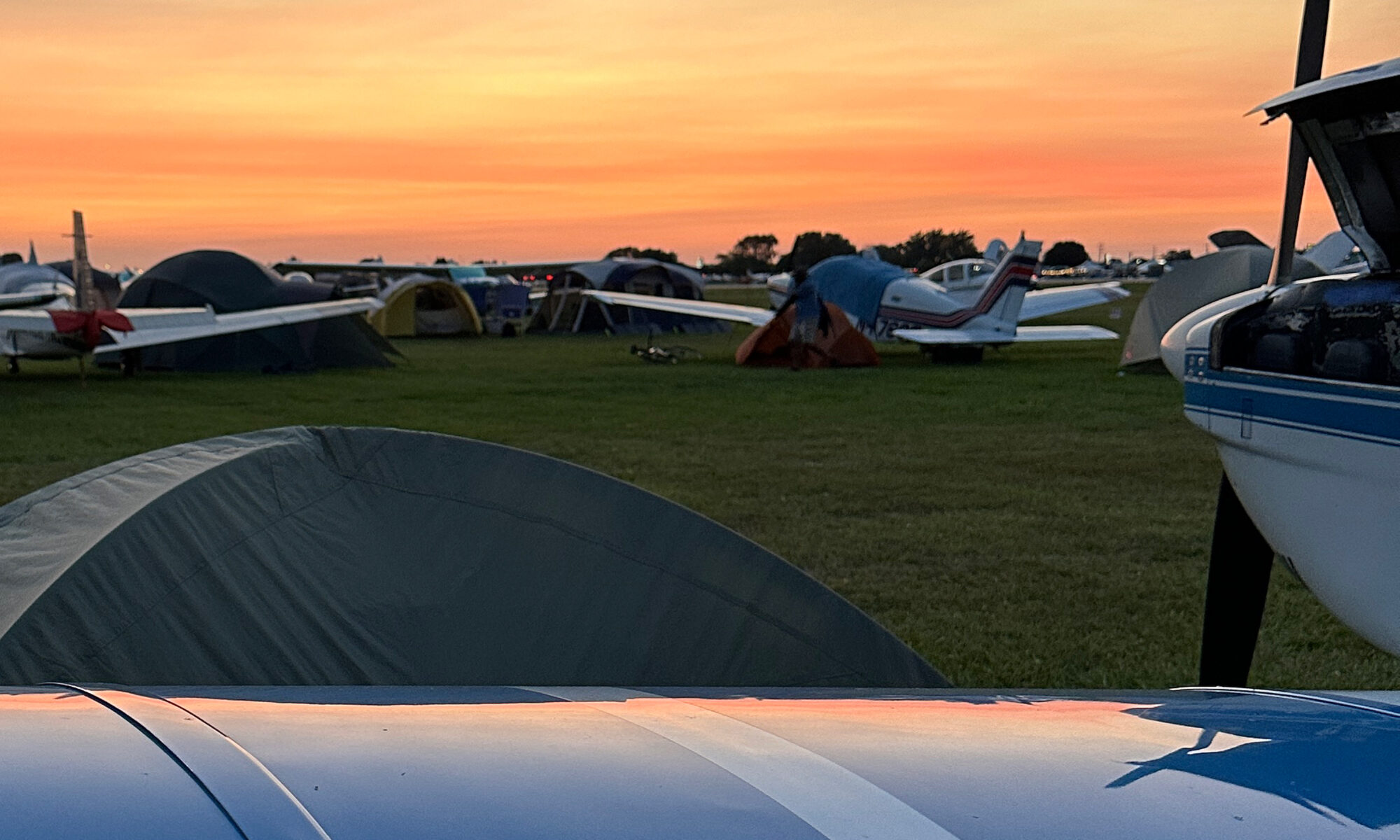
The early evening light shone into the tent, making the old orange nylon glow. It was appropriate to be there at the campgrounds of Camp Scholler in the first tent I ever camped in—my family’s tent from 40-plus years ago—for my return to Oshkosh au naturel, more than 20 years since I first put down stakes there.
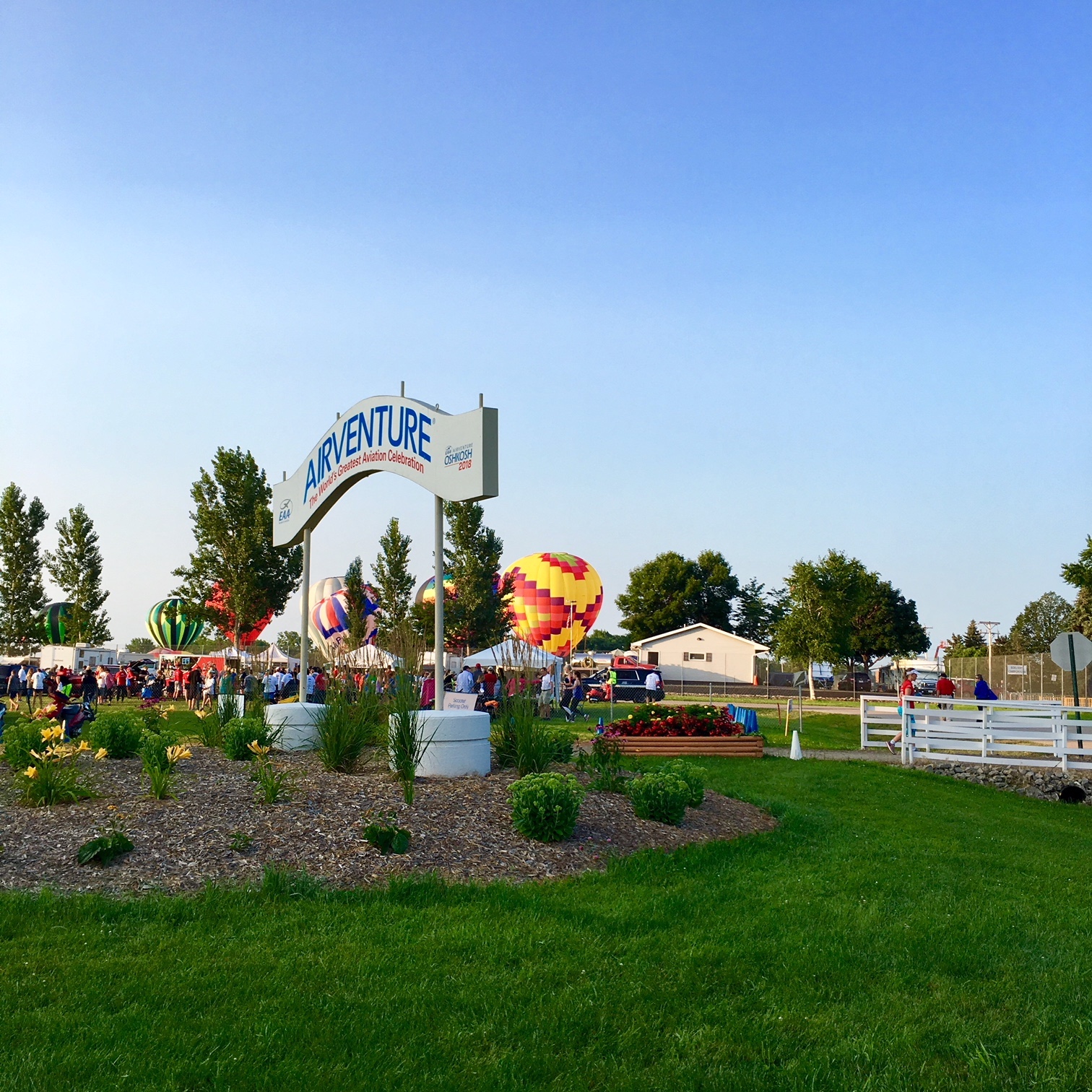
It turned into a homecoming, and a new experience at the same time: My partner in crime, Stephen, celebrated his first Oshkosh ever during the 2018 show. He had an excuse: He’s a Brit. So we were both like kids returning to our more innocent years. And it turned out Scholler was a perfect place to do it—hard ground, busy showers, bugs, and all.
We rolled in around 6 pm on Tuesday, which meant we secured one of the last tent spots for the taking. Seriously, when we located our home for the next four nights, we looked around for the south boundary fence and found it just a few yards away. That made me happier than you might think: It meant that Scholler was FULL!
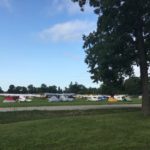
The view from the tent, into the evening light
A balloon launch starts a beautiful Saturday at Oshkosh
Camping next to your classic airplane? Nothing could be finer
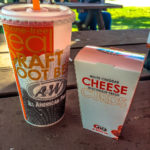
It’s not Wisconsin without cheese curds
My guess was verified the next morning at the media briefing: Not only was Scholler at capacity, the aircraft camping filled up as well, even given the new extension, the South 40. More happiness. To have so many folks there, spending days or the whole week, and (most importantly) flying in, that made my heart sing. It’s a solid indication that our general aviation industry retains a shine, perhaps returning to full health after a decade of rough years.
So many elements go into this hope, as I found out over the course of the week at EAA AirVenture. Innovations took top billing, with forums and showcases and lots of attention from all sides. Old friends met new ones: Both the warbird and classic rows featured new faces, and the homebuilt areas were packed. The venders with whom I compared notes said business was good—a solid showing at least. More satisfaction.
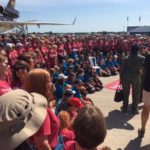
Old and new friends gather for the WomenVenture photo in airshow center
It’s good to be back for the annual gathering
Two innovating leaders: Anna Dietrich and Gretchen Jahn after the Women in Aviation breakfast at Oshkosh
The unsinkable Sean D. Tucker launching the new We All Fly exhibit at the National Air and Space Museum
And the weather…nearly perfect. Does that ever happen? Okay, so, Wednesday eve we ducked out of the pouring rain around dinnertime, and feared what we’d find at the campsite. A moat? A stream? Water cascading through our tent? We lucked out. We’d picked a bit of ground that sat ever-so-slightly higher than its surroundings. And with the exception of one dumbass move (leaving the vent window unzipped), we stayed dry through that single night of showers.
But the best part of camping was the people (aside from opting out of the morning traffic jam coming into the grounds). After our early morning showers and reasonably giant coffees from the canteen, we sat outside and talked with newbies from around the country—and the world. Everyone gave off a kind of quiet joy that’s impossible to fake.
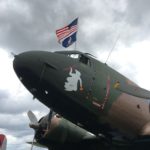
Spooky 71 joins the D Day Squadron for its 2019 memorial in Europe
So many stories behind every one of these classics
Morning at the Red Barn near the ultralights
My favorite ice cream of the show: Maple Bacon
If we were a bit worried that we might find politics a problem, our concerns faded quickly. It was as if everyone silently agreed to keep our differences outside of the airport boundaries. We had enough common ground to focus on that the divisiveness fell away. It had no place. Let’s make a pact to carry on that spirit of camaraderie, shall we? We could wind up solving our problems rather than letting them grow intractable.
It felt as though general aviation has started to use its collective will in this way to renew itself, and move forward. For a first-time visitor to Oshkosh, what I’ll call the “Spirit of Scholler” demonstrated best what GA in the United States is all about. For a longtime avgeek returning home for that annual visit to Wisconsin, it made me feel so full of hope.
A great addition: water refill stations around the flight line
Such a thrill to have Honest Vision join Together We Fly on ASA’s display!
The STEM center at the Redbird display featured classes for kids during the week
Getting quality instruction at the sims in the EAA Pilot Proficiency Center