Julie Boatman Joins AvBrief as a Contributor

We started our support of AvBrief.com the very day that it launched in August 2025.

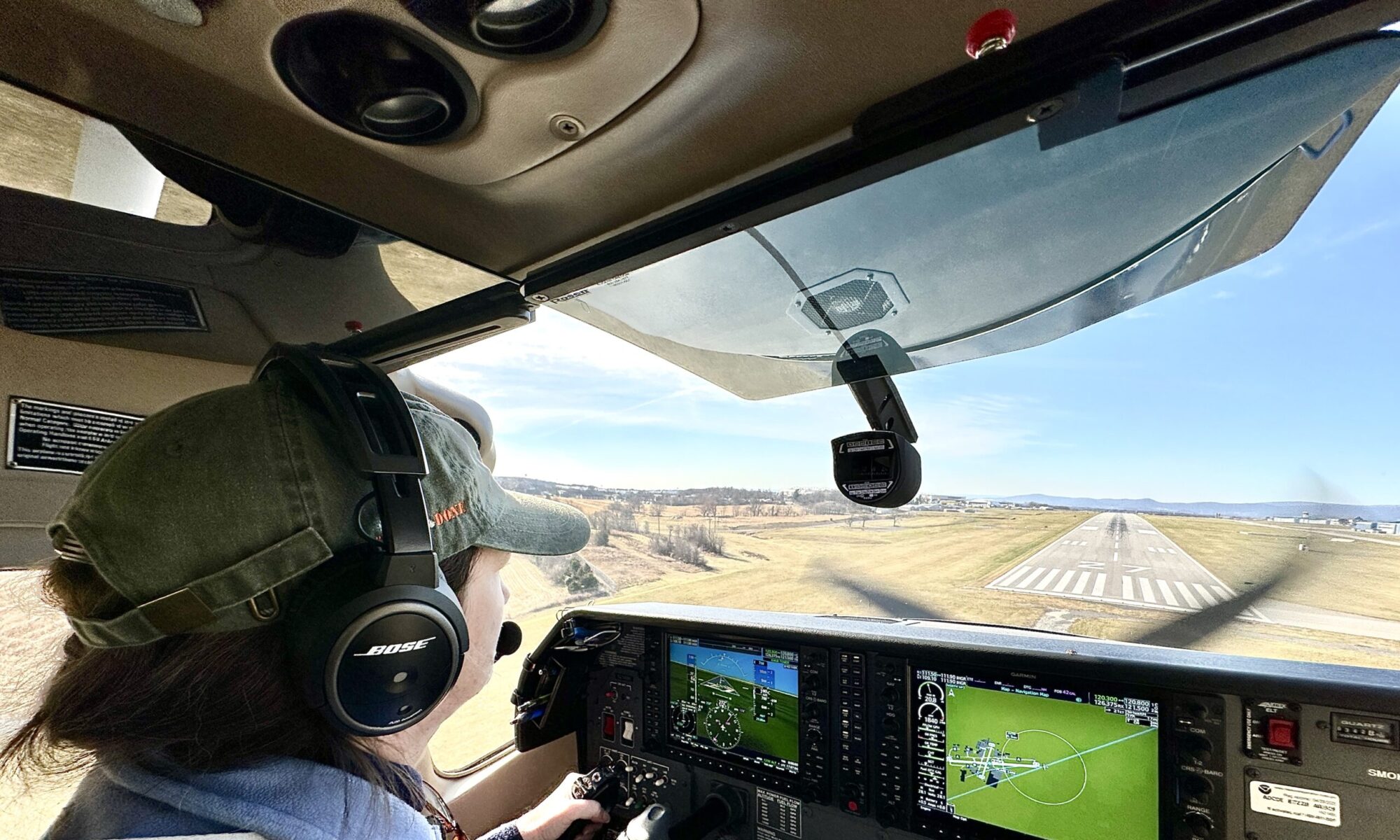
Now, we’re pleased to have the freedom to join officially as the primary coordinator of the digital publication’s general and business aviation OEM coverage. I get to do one of the things I love most—fly new aircraft and report on the teams that bring them to life—and do so collaborating with a couple of the best journalists in aviation, Russ Niles and Larry Anglisano. The group of contributors they have attracted to the fold is only surpassed by the number of subscribers that they have been adding every day.

It’s real aviation intelligence. Nothing artificial.

Check out the video link below for my interview with Russ about the new role and the first assignments I’ll have for AvBrief.

JulietBravoFox Media will continue to serve our incredible media relations and marketing consulting clients as we enter our third year since relaunching the agency in February 2024.

It’s an exciting time to bring new ideas and technology to pilots, and I’m thrilled to get to work with the very best in the business. Please join me by signing up for AvBrief’s free newsletter here.

Jet-A Tax on BizAv?

The recent budget proposal from the White House includes a number of positive points—but one stands to kneecap the aviation industry just as it starts to leave the chocks on sustainability.

That’s the proposed 4X increase (from 22 cents to $1.06/gallon over 5 years) in the fuel tax on Jet-A for bizav operators, a line item that surely resonates with the green set, but bodes poorly for the ability to grow capability, capacity, and jobs under the sustainable aviation umbrella. The quest to net-zero by 2050 absolutely depends on it.

Here are my quick takes:

  1. The healthy flow of sustainable aviation fuel (SAF) into the market relies upon the demand for Jet-A. While commercial aviation represents the bulk of the volume, business aviation has the flexibility and higher margins to accommodate the experimentation required to bring new sources of zero-emission fuel into play. 
  2. The infrastructure investments required to deliver SAF lean on the ability of local FBOs and governments—and distributors—to justify the cost to equip. With lower flowage into these wide-spread locations, the business case grows even more difficult than it already is in some places.
  3. Bringing aircraft production into the U.S.—and keeping what we have—is central to providing skilled labor with well-paying, satisfying work. Keeping sales and delivery volumes to what they reached in the bizav sector before and after the pandemic is vital to offering these desirable positions.
  4. And, at a time when aircraft OEMs fight hard to secure the workforce they need, the ability to appeal to the younger generation with sustainable aviation projects is critical to attracting the brightest minds to our industry. They want to be part of the solution. Raising the tax on one sector that provides some of the coolest jobs in aviation—across the board from engineers to marketers—is at best shortsighted and at worst a true crux for the industry.